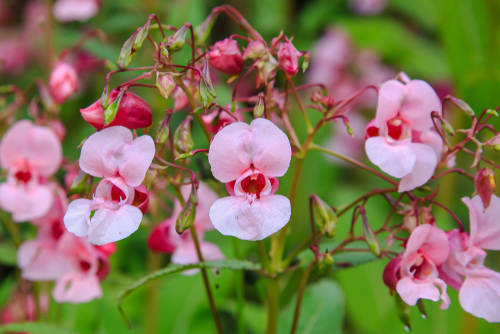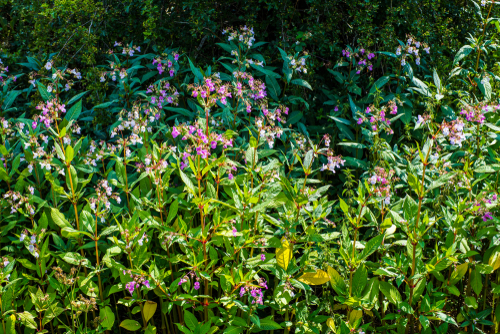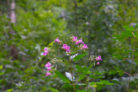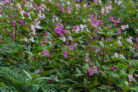
For most gardeners, Himalayan Balsam is just a pesky weed you want to clear out as fast as possible to protect your prized perennials. But here’s a little secret: this plant actually has a long history in herbal medicine and offers some surprising uses. If you’ve ever wondered whether this “weed” is toxic, edible, or a hidden healer, let’s break it down.
All Balsam species are slightly toxic
It’s important to know that all species in the *Impatiens* family—including Himalayan Balsam and Orange Jewelweed—are considered slightly toxic. You definitely want to avoid eating the stems and leaves raw, as they contain high levels of glycosides. However, the flowers and seeds are a totally different story; they are non-toxic and perfectly safe to eat!
Flowers and seeds are fair game
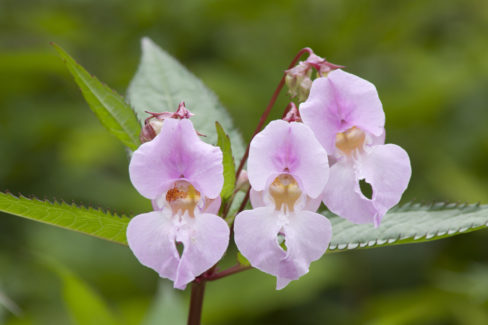
The petals make a gorgeous, colorful garnish for summer salads or a fancy cheese board. They have a pleasant, slightly sweet flavor and a delicate texture that practically melts in your mouth.
Then there are the seeds. These little dark brown gems taste remarkably like juicy nuts. You can sprinkle them over your favorite dishes or even use them in baking. They’re packed with oil and healthy fatty acids, making them a super nutritious snack.
Harvesting them is a bit of a project, but it’s well worth the effort in the fall. Pro tip: grab a small bag or container and place it right over the ripe, closed seed pods. Give the seed pods a little wiggle until they “pop,” launching the seeds right into your bag. It’s actually pretty fun!
Watch out for tummy troubles
If a person (or a pet) munches on a large amount of fresh leaves, they might experience some mild poisoning symptoms.
Keep an eye out for:
- Nausea
- Stomach pressure
- Abdominal pain
- Vomiting
- Diarrhea
- Dizziness
Usually, these symptoms are mild and pass quickly. However, you should be extra cautious with children or anyone with a sensitive stomach. If someone isn’t feeling well after a garden snack, it’s always best to call a doctor just to be safe.
Himalayan Balsam as a healing herb
While we’re still waiting on more modern scientific studies, the healing power of this plant (which most folks just dismiss as a weed) has been passed down through traditional medicine for generations.
It is known to be:
- Diuretic (helps flush the system)
- Antibacterial
- Laxative
When used topically, it can help soothe inflammation, treat hemorrhoids, and even clean minor wounds. Plus, it contains a compound called quercetin, which is believed to act as a natural antihistamine. Not too bad for a common garden weed, right?