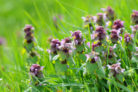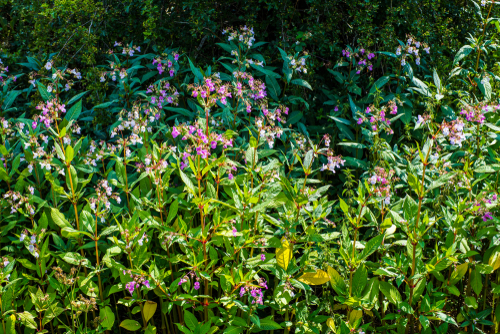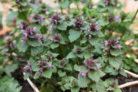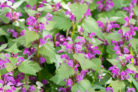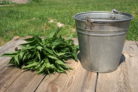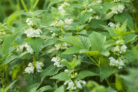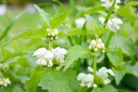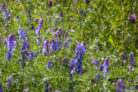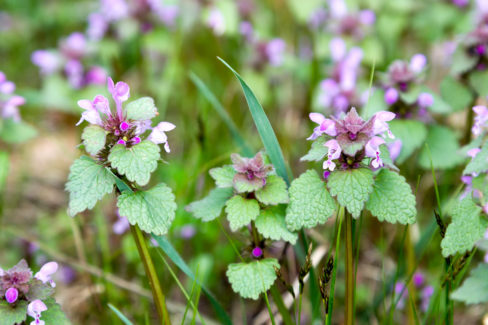
Dead nettles, with their colorful blooms, are a fantastic addition to any wildlife-friendly garden. They’re even a treat for the “green kitchen” if you enjoy foraging! However, these plants have a serious case of wanderlust. They are experts at spreading through multiple channels, and if you don’t keep them in check, they’ll quickly take over.
Propagation is the Key
Thanks to their “well-organized” reproduction strategy, once dead nettles arrive in your garden—whether they hitched a ride or were planted on purpose—they aren’t going away anytime soon. In fact, they’ll keep claiming more territory over time. This can be bad news for your other favorite plants that aren’t quite as aggressive. To keep this wild plant under control, you need to understand its two main ways of spreading:
- Self-seeding
- Underground runners (rhizomes)
Cutting Off the Spread Effectively
If you can stop the dead nettle from multiplying unchecked, you’ve won the battle. But honestly? That’s easier said than done. It takes some old-fashioned elbow grease, time, and a bit of patience.
- The first seeds ripen as early as mid-May and are ready to drop.
- Because of this, you should pull up unwanted plants before the blooming period begins.
- Depending on the variety, this could be as early as February or March.
- Dispose of the pulled plants (don’t put them in your compost pile, or they might come back!).
- Loosen the soil thoroughly.
- Try to remove every single piece of the root system.
Pro Tip:
Every part of the dead nettle is edible! Anything you don’t want in your garden can end up on your dinner plate instead. Use the blossoms as an edible garnish and the leaves as a nutritious addition to salads and smoothies.
Keep a Close Eye on Your Garden
After your initial weeding session, keep a close watch on the garden bed. If a new plant sprouts from a missed root fragment or a stray seed, pull it out immediately. If the weed proves to be a particularly stubborn or “invincible” opponent, you might look into organic control methods—or simply double down on your persistence and patience.
Preventing Future Spreading
Dead nettles are so rich in nectar that they attract tons of pollinators like bees, bumblebees, and butterflies. You probably don’t want to banish them from your garden entirely! And you don’t have to, as long as you take a few precautions. A root barrier about 8 inches (20 cm) deep will stop those underground runners from conquering new territory. Also, keep an eye out for ant trails; ants love to carry the seeds to other parts of the yard. If you spot a “seed highway,” disrupt it right away. And if a dead nettle pops up where it doesn’t belong, pluck it before it has a chance to flower.
Pro Tip:
You can find more facts about these plants in our Dead Nettle Profile. We also have specific guides for the Red Dead Nettle, White Dead Nettle, and Spotted Dead Nettle.