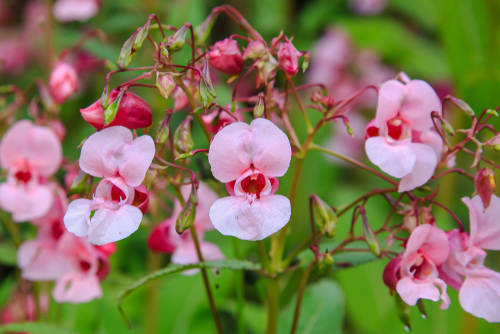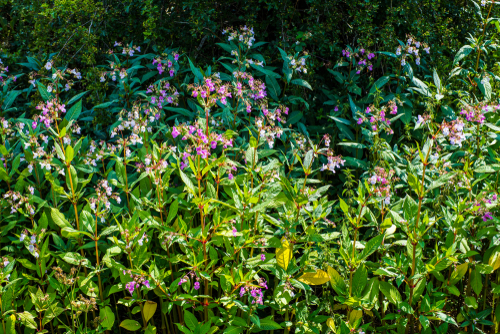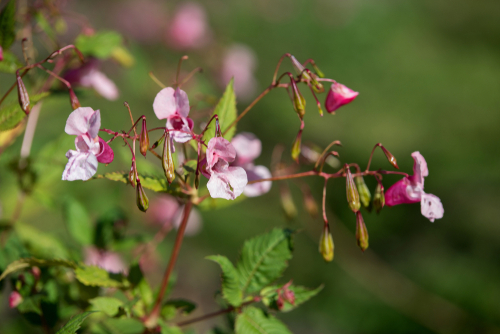
Let’s talk about a plant that’s become a real headache for gardeners lately: Himalayan Balsam (also known as Policeman’s Helmet). It seems like no matter where you look, this stuff is taking over. While the plants die off once the frost hits, their seeds are survivors, meaning they’ll be back with a vengeance next spring. If you’re tired of seeing it crowd out your favorite flowers, here are my best tips for getting rid of it for good.
Why Himalayan Balsam is a Total Garden Bully
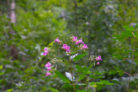
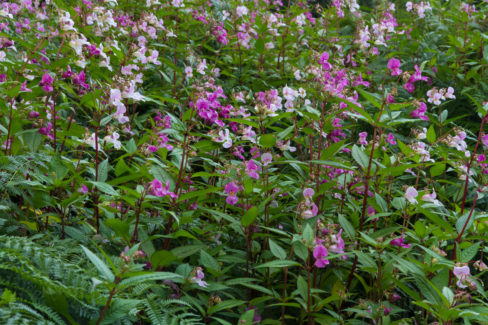
Whether it’s in your backyard or along a local creek, this plant spreads like wildfire. I get it—the flowers are actually pretty cute, and kids love poking the seed pods to watch them “explode.” But don’t let that charm fool you; this plant is a major pest.
Here’s why you don’t want it around:
- It aggressively crowds out the native plants our local ecosystem needs.
- The seeds can stay viable in the soil for years.
- It grows incredibly fast, taking over entire areas in a single season.
- Both the leaves and stems are toxic.
Timing is Everything: Beat the Seeds!
If you want to win the war against Himalayan Balsam, you’ve got to act fast. The sweet spot for removal is in the spring, through the end of June. Once July hits, the blooming season begins, and it won’t be long before those seed pods develop. Once those seeds ripen, they’ll launch in every direction at the slightest touch, and you’ve lost the battle for the year. Catch them before they flower to stop the next generation in its tracks!
The Hands-On Approach
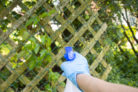
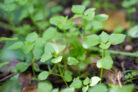
Honestly, one of the most effective ways to deal with this weed is just to pull it out by hand. It’s surprisingly easy! Because the plant has very shallow roots, it pops right out of the ground without much effort—especially if the soil is a little damp. If you only have a few patches, this is definitely the way to go.
Mowing and Scything
If you’re dealing with a massive “forest” of balsam, pulling them one by one isn’t realistic. In that case, grab the mower or a scythe and cut them down close to the ground.
One huge “pro tip” here: Never put these plants in your compost pile. The seeds are tough enough to survive the composting process and will just end up back in your garden later. Your best bet is to bag them up and put them in the regular trash.
A Note on Chemical Weed Killers
You might be tempted to reach for the heavy-duty herbicides, but I’d really advise against it. First off, since the plant is so easy to pull or mow, chemicals are usually overkill. More importantly, those harsh substances can really do a number on your soil and the local environment. Stick to the manual methods—your garden (and the bees) will thank you!