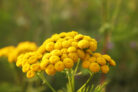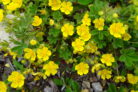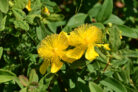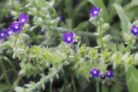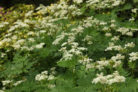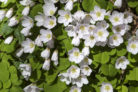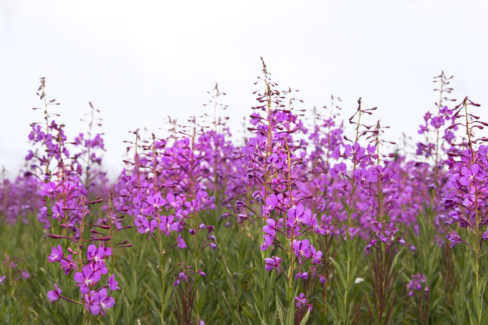
Willowherb belongs to the evening primrose family, and with about 190 species out there, you can find it just about anywhere in the world. It’s a hardy, herbaceous perennial that can reach up to 20 inches tall if it finds the right spot. While its reddish, pink, or white blooms are definitely easy on the eyes, many gardeners aren’t exactly thrilled to see it pop up because of how aggressively it spreads.
Good to Know
Willowherb can actually be a lovely addition to the garden if you keep it contained. The problem is that it’s a master at taking over; it spreads like wildfire using both underground runners and seeds equipped with tiny “parachutes” that catch the wind. Before you know it, a small patch can turn into a massive colony.
The small-flowered variety is also a well-known medicinal herb, largely popularized by the famous Austrian herbalist Maria Treben. For centuries, people have used it as a natural remedy for everything from respiratory issues and digestive troubles to prostate health and menstrual discomfort.
The Best Spot and Soil for Willowherb
Willowherb is a “pioneer plant,” meaning it’s often the first thing to grow on disturbed land. You’ll frequently spot it in places like:
- Forest clearings
- Riverbanks and lakesides
- Embankments
- Vacant lots or rubble sites
It absolutely loves fresh, nutrient-rich loamy soil—which, unfortunately, is exactly what most of us have in our garden beds! Once willowherb gets comfortable in your yard, it can be a real challenge to show it the exit.
Managing Willowherb in Your Garden
Despite those pretty flowers, most gardeners consider this plant a bit of a nuisance. Because garden soil is usually well-fertilized, it provides the perfect breeding ground for those wind-blown seeds to take over every single flower bed. To keep it from becoming the “boss” of your backyard, you’ll likely need to take some action.
Since it grows about 20 inches high, you can pull the plants by hand—just make sure to do it before the seeds ripen and fly away! Another pro tip is to outcompete it by planting vigorous neighbors that won’t be bullied, such as:
- Himalayan Fleeceflower: a sprawling, white-flowering perennial that loves to take up space.
- Hollyhocks: tall, sturdy classics.
- Jerusalem Sage: a hardy, attractive plant with a very extensive root system.
- California Spikenard: a lush, deciduous perennial with deep, far-reaching roots.
In the world of commercial farming, willowherb is classified as a weed and often treated with herbicides. However, in a home garden, chemicals should always be your absolute last resort. Even if it’s an uninvited guest, willowherb is actually a fantastic food source for bees and plays a valuable role in our local ecosystem.