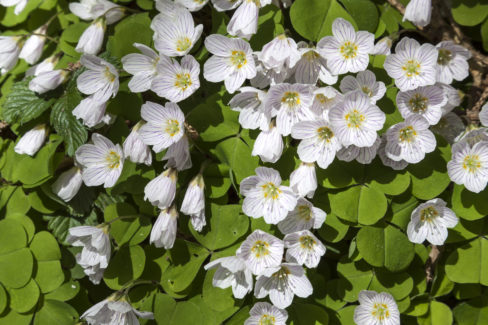
To the untrained eye, wood sorrel (or *Oxalis*) actually looks pretty charming. But let’s be real: that cuteness fades fast once it starts taking over your garden like it owns the place. Before you know it, seeing those little leaves pop up where they don’t belong is enough to make any gardener’s blood boil. That’s exactly how a “wild herb” officially earns the title of “pesky weed.”
Why Wood Sorrel Spreads Like Crazy
We’ve all been there—you’re looking at your flower beds and suddenly notice plants you definitely didn’t sow. Wood sorrel is a master hitchhiker; it can drift in from the wild, creep over from the neighbor’s yard, or even sneak into your garden as a “bonus” in the soil of a store-bought plant. At first, you might not even notice the little intruder, but it won’t stay low-profile for long.
Once its seeds ripen, the plant literally launches them up to eight feet away, where they germinate in a heartbeat. While its rhizomes (underground stems) take a “slow and steady” approach to conquering your yard inch by inch, they are incredibly persistent. If left unchecked, it’ll crowd out your intentional plants in no time. It’s a top-tier weed for a reason!
How to Spot Wood Sorrel
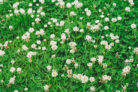
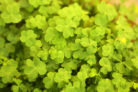
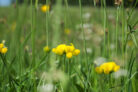
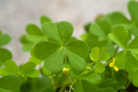
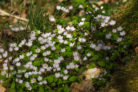
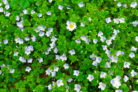
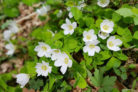
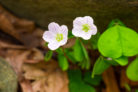
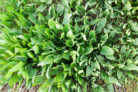
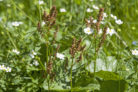
Most of us can recognize a clover-like leaf from a mile away. Unlike the four-leaf “lucky” clover, wood sorrel leaves are divided into three heart-shaped segments. Depending on the variety, the color can vary; for example, Creeping Woodsorrel often has a reddish-purple tint. The tiny flowers usually show up around April and can be white or pink. The yellow-flowering variety typically blooms from June through October. The plant stays low to the ground (about 2 to 6 inches) and develops elongated seed pods. If you’re unsure, a quick look at a field guide or some online photos will help you confirm what you’re dealing with.
Quick Tip:
Want to dive deeper into the details? Check out our Wood Sorrel Profile for more info.
The Silver Lining: It’s Not All Bad
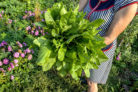
Believe it or not, all parts of the wood sorrel plant are edible! True to its name, it has a sharp, lemony tang that’s actually quite refreshing and zesty. Foraging fans love tossing the leaves into wild herb salads. Just a heads-up, though: it contains oxalic acid, so you’ll want to enjoy it in moderation.
Wood sorrel also has a history in traditional medicine. You can even find wood sorrel juice in some specialty shops as a natural remedy for various issues, including:
- Loss of appetite
- Kidney issues
- Gallstones
- Liver ailments
- Rheumatism
- Heartburn
- Parasites
Quick Tip:
If you like to treat your pets to fresh greens from the garden, keep them away from the wood sorrel. It can be toxic to animals if eaten in large amounts.
Getting Rid of It Is a Workout
If you’ve spotted wood sorrel in your yard, you need to make a choice fast: are you going to embrace it as a wild herb or wage war on it as a weed? If you decide it’s gotta go, there are two main ways to fight back: chemical weed killers or good old-fashioned weeding. The first is easy but not great for the environment. The second is a lot of work and, if the infestation is bad, requires years of consistency. Always try to pull up the entire root system so it doesn’t grow back. You should also try to stop it from seeding in the first place—mowing your lawn more frequently can help keep those seed pods from developing.