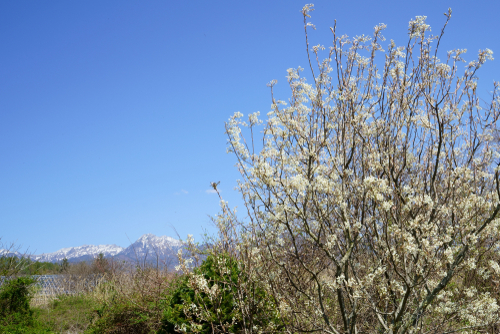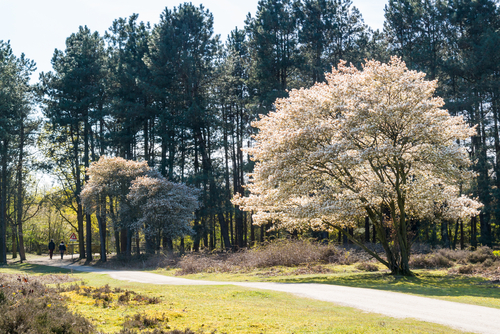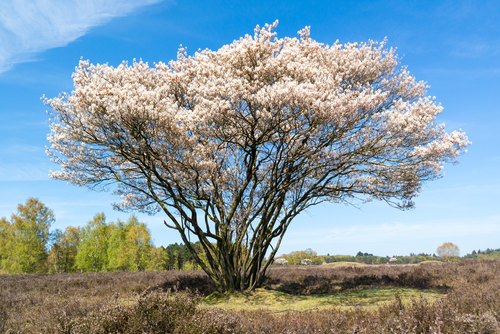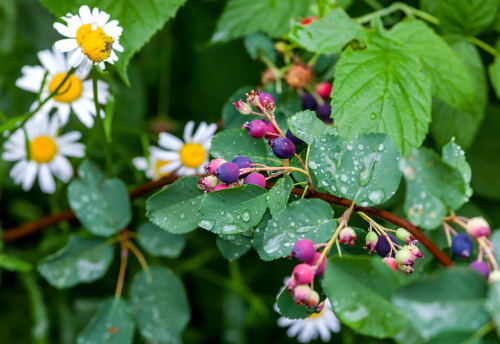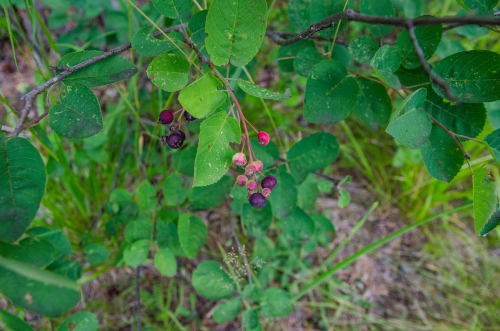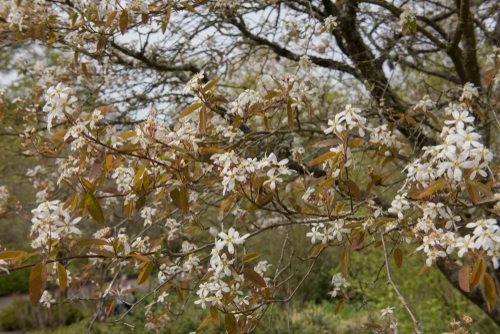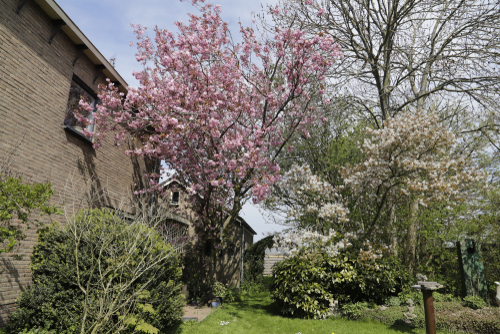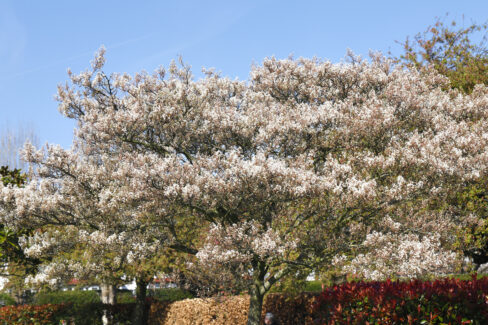
The Serviceberry (or Juneberry) is a total showstopper in the garden. It’s famous for its stunning spring blooms, but it really puts on a show in the fall when the leaves turn those gorgeous shades of yellow and fiery orange-red. But if you’re thinking about adding one to your yard, you’re probably wondering: where exactly should it go?
Low Maintenance and Easygoing
The best part about finding a spot for a Serviceberry is that it’s really not picky at all. This gives you a ton of freedom when designing your landscape, so you can pretty much plant it wherever it looks best to you. The only real “deal-breaker” for this plant is a spot that stays in deep, heavy shade all day.
Sun to Partial Shade
When it comes to light, you’ll want to aim for a spot that gets full sun to partial shade. These trees crave a decent amount of daily sunlight to thrive. Plus, if you’re looking forward to harvesting those berries, they need plenty of sun to ripen properly and get sweet. Once they’re ripe, you can snack on them right off the branch or use them in the kitchen—they’re often called “Juneberries” or “Currant Trees” because the dried fruits make a fantastic substitute for currants or raisins!
Soil Preferences? Not Really!
You don’t need fancy soil to keep a Serviceberry happy. Standard garden soil works just fine, and they’ll even do well in sandy or loamy spots. The only time you really need to step in is if your soil is incredibly hard or compacted. In that case, just loosen it up a bit before planting. You don’t even have to dig too deep, since these trees are shallow-rooted.
A Little Spring Boost
While they aren’t heavy feeders, giving your Serviceberry a little “breakfast” in the spring is a great way to kickstart the growing season. A quick application of fertilizer once a year is plenty. Here are a few things that work great:
- Organic compost
- Bone meal or horn meal
- A standard balanced garden fertilizer