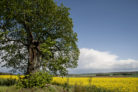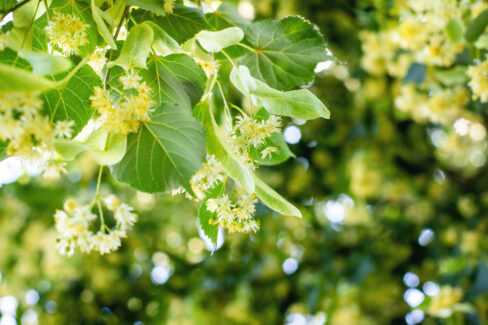
Linden trees pop up just about everywhere, don’t they? Thanks to those gorgeous, wide-reaching canopies, you’ll spot them gracing local parks and lining scenic boulevards alike. But if you’re thinking about adding one to your own landscape, what does the “perfect” spot actually look like?
A Low-Maintenance Beauty
One of the main reasons Lindens are so common is that they aren’t particularly picky. They’re surprisingly easy-going when it comes to lighting, soil quality, and nutrients. Really, the only thing a Linden insists on is having plenty of elbow room to grow.
Light and Soil Needs
In a perfect world, your Linden would live in partial shade, though they’re tough enough to handle full sun if that’s what your yard offers. When it comes to the dirt beneath their roots, they aren’t divas. Their root systems are strong enough to push through heavy clay but can find plenty of stability and food in sandy soil, too.
If you want a truly thriving tree with a spectacular blooming season, aim for soil with a higher lime content. On the flip side, Lindens have a major weakness: salt. Trees planted along busy roads where winter de-icing salt is used can really struggle. They also aren’t fans of heavy synthetic fertilizers, so keep that in mind if you’re planting near a farm field or a heavily treated lawn.
Give Them Some Breathing Room
The most important tip for planting a Linden is to think big—literally. A mature Linden canopy can spread up to 50 feet wide. You definitely don’t want to plant one too close to your house or right on your neighbor’s property line. Give them the space they deserve!
To recap, here’s the cheat sheet for finding the right home for your Linden:
- Aim for a spot with partial shade if possible.
- Avoid areas where road salt or heavy runoff might seep into the soil.
- Make sure there’s plenty of room for that massive canopy to spread out over the years.