If you want a bumper crop of juicy strawberries next summer, the secret is all in the haircut! Pruning your strawberry plants correctly paves the way for a productive second season, whether you’re growing them in a backyard patch or in pots on your balcony. Here’s everything you need to know about trimming your berries like a pro.
The Best Time to Prune
Timing is everything when it comes to strawberries. You’ll want to reach for your shears right after the final harvest of the season. Almost immediately after the last berry is picked, the plant starts prepping for winter. About three weeks after that final harvest, the plant begins producing growth inhibitors to prevent new buds from forming.
By pruning within this specific window, you stop those inhibitors in their tracks. This ensures your plants stay energized and ready to produce another great harvest next year.
How to Prune Your Strawberries
Start by snipping off any wilted flowers and dried-out leaves. It’s also a good idea to clear away any foliage sitting on the soil, as old leaves can harbor nasty fungal pathogens. If you’re planning on propagating your own plants (more on that in a second!), make sure to leave the runners attached for now.
Choose your healthiest, most productive plants to focus on. The most important rule? Don’t touch the “heart” (the central crown) of the plant. You want to prune away the old growth to stop those growth inhibitors, but the crown must remain intact for the plant to survive.
Propagating via Runners
If you’ve picked out a few “mother plants” to create new babies, leave their runners alone until they’ve developed their own root systems. It takes a little patience, but it’s worth it for free, vigorous new plants! You’ll know they’re ready to be detached when you give the little plantlet a gentle tug and feel strong resistance from the roots in the soil.
Always use a sharp knife or garden snips to ensure a clean cut. Ragged edges are basically an open door for bacteria. It’s also a smart move to disinfect your blade before you start to minimize the risk of strawberry diseases.
Pruning Climbing Strawberries
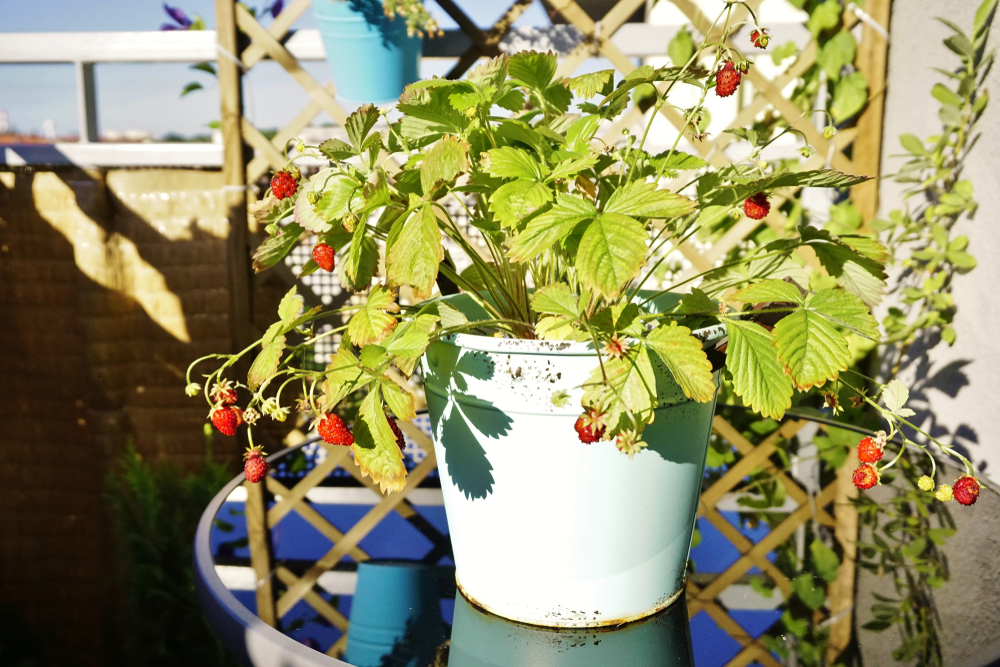
Some strawberry varieties are sold as “climbers.” While they don’t have natural climbing tendrils like ivy, you can train them up a trellis or support. This is a total lifesaver for your back since you can do all your maintenance while standing up!
Climbing varieties need a bit of a “tough love” approach. Since these aren’t usually the best candidates for propagating via runners, you can go for a more radical prune. Once the harvest is over, cut back all the long vines and remove any spent leaves or flowers. Again, just leave that central heart bud standing.
Just like garden-bed berries, pruning climbers right after the harvest stops those growth inhibitors and sets the stage for a fantastic crop next summer. Give them that well-deserved post-harvest cleanup, and they’ll thank you for it next year!