Whether you’ve started your strawberries from seed, bought some starts at the nursery, or harvested your own runners, there comes a time when those babies need to move into their forever home. To make sure they settle in happily and give you a great harvest, you’ll want to follow a few simple steps. Here’s the scoop on how to get it right.
Finding the Perfect Spot for Your New Plants
While your seedlings are busy getting strong, you should already be prepping their future location. It’s best to prep the soil ahead of time so it has a chance to settle. Believe it or not, strawberries actually struggle a bit in soil that’s been *too* freshly turned over right before planting.
When picking a spot, check your garden records: you shouldn’t plant strawberries where they (or their cousins) have grown in the last four years. Strawberries are “heavy feeders,” meaning they gobble up nutrients, and the soil needs a break to recover. Look for a spot with full sun and a gentle breeze. Good airflow is key because it helps the leaves dry off quickly after a rain, which prevents rot. Just make sure it’s not *too* windy, as these plants can be a bit sensitive to harsh drafts.
How to Transplant Strawberries the Right Way
Before you move anything, give the soil a good, deep dig to make sure it’s nice and loose. If your soil tends to get packed down easily, mixing in a little sand can help with drainage. You’ll also want to mix in a generous helping of compost and some horn meal (or your favorite organic slow-release fertilizer) to give them the nutrients they crave.
Try to get your soil prep done about four weeks before you plan to plant. By then, the ground will be perfectly primed for your young plants. If you’re planting in pots, a raised bed, or window boxes, don’t forget the drainage! Strawberries absolutely hate “wet feet” (standing water). A layer of broken terracotta shards or coarse gravel at the bottom of your containers works wonders.
Moving Runners Like a Pro
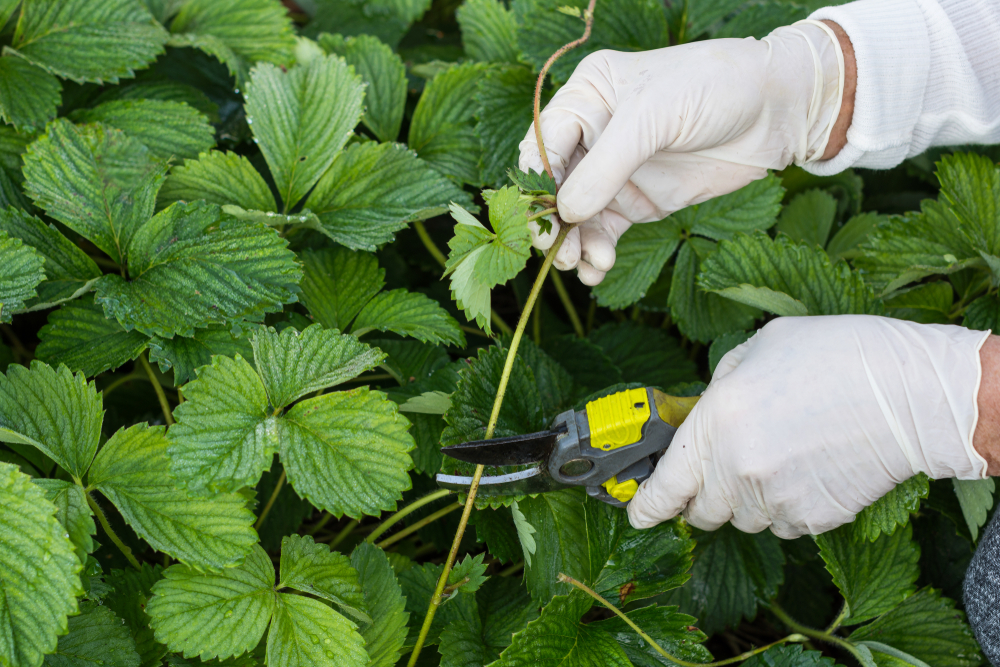
If you’re propagating strawberries from runners, here’s a pro tip: sink small starter pots into the ground right next to the “mother” plant and pin the runners into them. It makes transplanting so much easier later on! Once the young plants have established a solid root system—usually by late summer—it’s time to cut the cord. Grab a sharp knife and snip the runner.
Make sure your blade is sharp so you get a clean cut; jagged edges are like an open door for bacteria. Once they’re detached, dig up the small pot and soak it in a bucket of water so the roots can get a good drink before the big move.
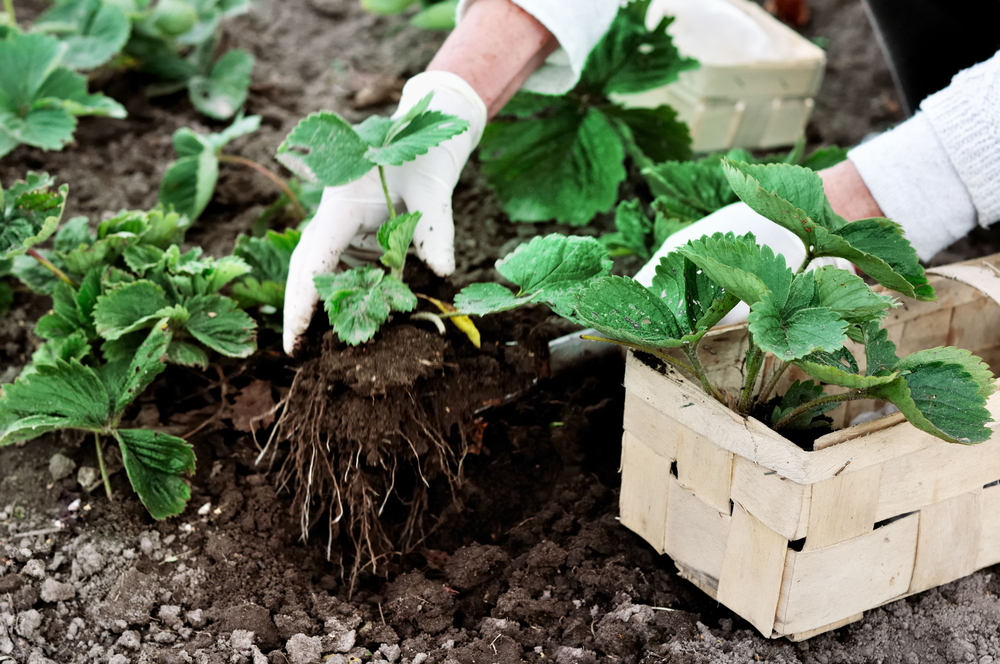
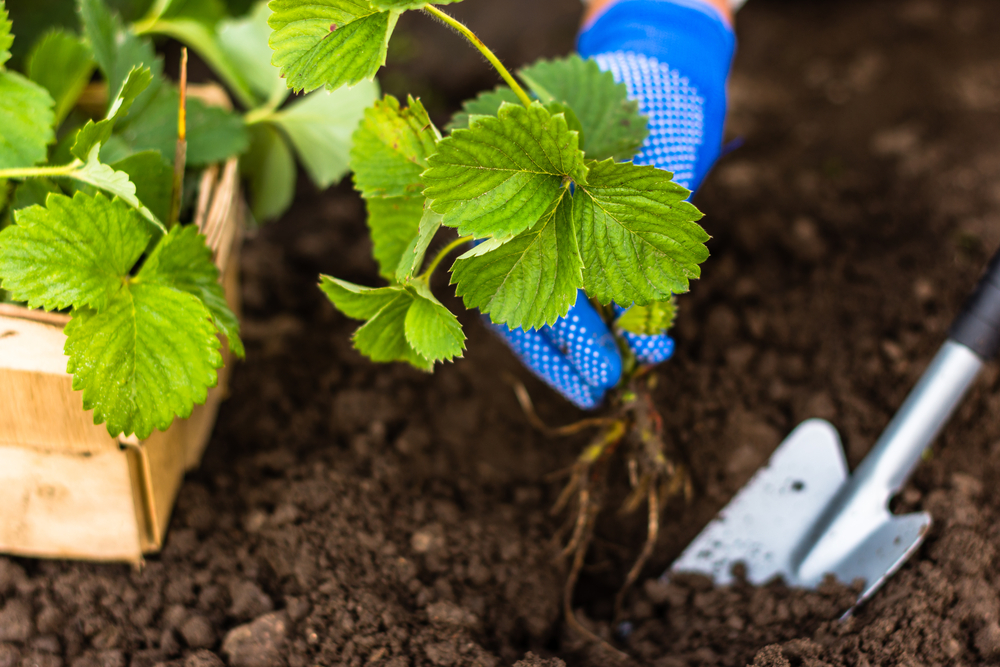
Dig a hole at the new site that’s plenty big enough for the root ball. Pop the plant out of its starter pot and tuck it into its new home. Give it a good watering and make sure you fill in the soil just up to the “crown” (the central bud). You don’t want to bury that crown, or the plant might rot!