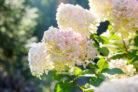
The beautiful blooms of a hydrangea bring a romantic, dreamy vibe to any summer garden. But as fall approaches, I get asked the same question all the time: “Should I be cutting off these faded flowers?” Here’s the lowdown on how to handle your spent hydrangea blooms like a pro.
Deadheading in the Summer
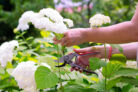
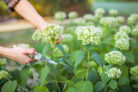
During the peak of the season, it’s a great idea to keep an eye on your hydrangea’s progress. If you see flower heads starting to wither, go ahead and carefully snap them off. This stops the plant from wasting energy on old blooms and prevents it from putting all its effort into seed production. Instead, that energy goes back into the plant, often encouraging new buds to form so you can enjoy a second flush of color even after the main hydrangea blooming season has passed.
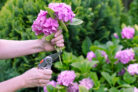
If you’re not comfortable snapping them by hand, a pair of garden shears works perfectly. Just make sure your blades are nice and clean! Clean cuts help prevent hydrangea diseases and allow the plant to heal quickly so it can get back to growing.
Here’s your quick summer to-do list:
- Grip the flower head just above the first set of leaves.
- Snip or snap the stem cleanly.
- Give the plant a light thinning out once fall arrives.
Handling Faded Blooms in the Fall
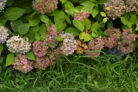
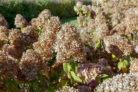
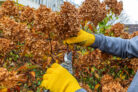
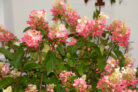
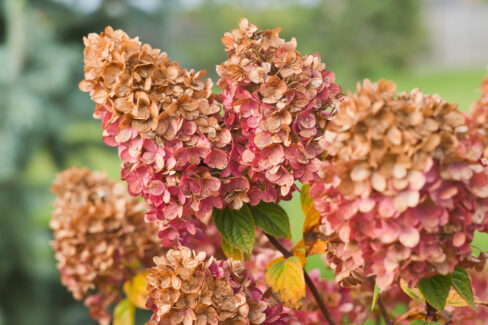
When winter is around the corner, my best advice is to actually leave those dried flower heads right where they are. There are two big reasons for this. First, there’s nothing quite as magical as seeing a dusting of snow sitting on top of dried hydrangea blooms—it adds some serious winter interest to your yard. Second, and more importantly, those old flowers and stems act as a natural buffer, protecting the delicate new buds from the biting winter cold.
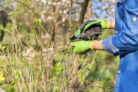
You’ll want to wait until spring to prune those old stems away. Wait for a window when the permanent frost has passed. This is also the perfect time to give the bush a light structural trim. Once you’ve finished your spring cleanup, make sure your hydrangea has plenty of fuel for the upcoming season by applying a good fertilizer.