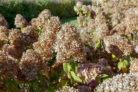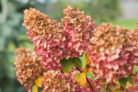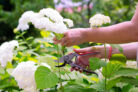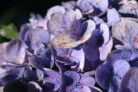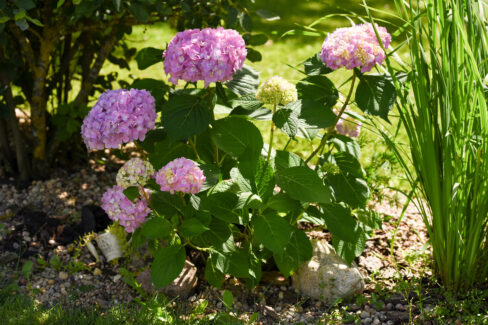
Is your hydrangea looking a little worse for wear with wilted blooms and crispy, dried-out leaves? Don’t toss it in the compost bin just yet! It’s not necessarily a goner. With a little TLC and the right steps, you can often nurse your hydrangea back to health. Before you know it, you might see fresh green shoots popping up again.
Pinpointing the Problem
First things first: we need to play detective. To help your shrub bounce back quickly, you have to figure out exactly what’s making it unhappy. Treating the wrong issue won’t help, so take a close look at your plant.
Ask yourself these questions:
- Are there any visible pests?
- Does it look like a fungal infection?
- Is the soil bone-dry, or is the plant sitting in a puddle?
You can usually tell if your hydrangea is dealing with fungus or pests by checking the leaves. If you spot tiny bugs or strange spots and residues, you’ll need to take action to clear the infestation. In cases of severe damage, you might even need to prune the plant back to get rid of the problem areas.
Getting the Care Just Right
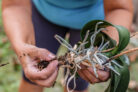
Next, check the moisture levels. Hydrangeas are famous water-lovers (their name even comes from the Greek word for water!), so if the soil is parched, give your hydrangea a good soak. However, there’s a flip side: they hate “wet feet.” If the soil is soggy and has a swampy, rotten smell, you’re likely dealing with standing water, which causes root rot. If this happens, gently dig the plant up, let the root ball dry out a bit, and replant it in fresh, well-draining soil.
Speaking of soil, giving a struggling hydrangea the right dirt can work wonders. You want a nutrient-rich mix tailored to their specific needs. Generally, hydrangeas thrive in soil that is slightly acidic. Since standard garden soil doesn’t always hit the mark, try using a specialized hydrangea potting mix, or even rhododendron or azalea soil. You can also fine-tune the pH level and nutrient boost by using the right fertilizers to keep your plant happy and healthy.