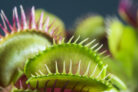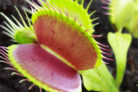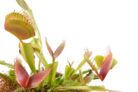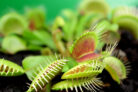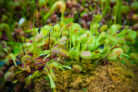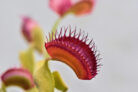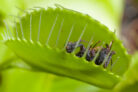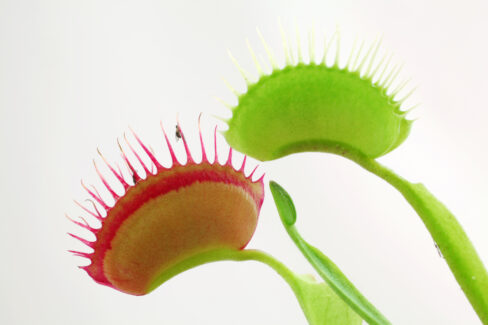
The Venus Flytrap is famous for those iconic snapping traps it uses to catch and digest insects. But did you know these plants also produce flowers to reproduce? If your goal is to grow a big, healthy plant with plenty of traps, you might actually want to snip those flowers off. Producing blooms takes a massive amount of energy away from the rest of the plant.
Fast Facts About Venus Flytrap Blooms
- It usually takes three to four years for a Venus Flytrap to flower for the first time.
- The blooming season typically runs from May through July.
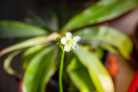
- The flowers feature delicate white petals and green sepals.
- They look quite dainty, sitting atop long flower stalks that can reach up to 12 inches high.
- Once the flowering is done, the plant produces a seed pod filled with tiny seeds.
While the flowers are actually quite pretty, they are a huge energy drain. Unless you’re planning on harvesting seeds, it’s usually a good idea to cut them back.
Why You Should Snip the Blooms for More Traps
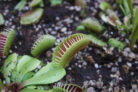
If you let the flowers grow, you’ll notice the plant produces significantly fewer traps. Most of us grow these carnivores specifically for those cool snapping jaws they use to catch and digest prey. To keep the growth focused on the traps, it’s best to cut the flower stalks as soon as you see them starting to sprout. Just snip the stalks right at the base of the plant.
Growing Flowers for Seeds
If you’re interested in propagating your Venus Flytrap from scratch, you’ll need to let at least two flowers grow so you can cross-pollinate them. Remember, they won’t produce seeds unless they’ve been fertilized! Once the petals fade, seed capsules will start to develop. Wait until the capsules turn brown before harvesting the seeds. If you leave them alone, the plant will eventually self-seed. Pro tip: store your harvested seeds in the refrigerator until next spring for the best results.