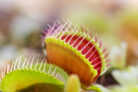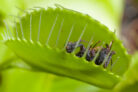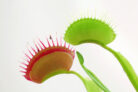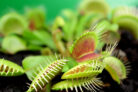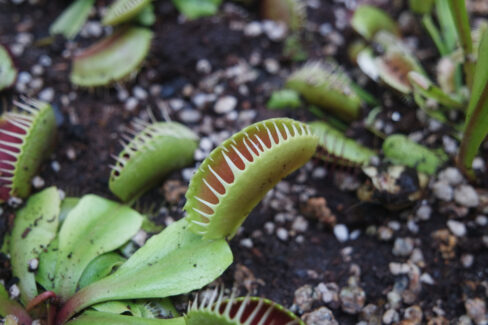
The Venus Flytrap is easily one of the coolest houseplants you can own, but it can be a little nerve-wracking when those vibrant green traps start turning pitch black. If you’re seeing dark spots or dying leaves, don’t panic just yet! In most cases, black leaves are a totally normal part of the plant’s life cycle—as long as you’re keeping up with the right care.
Why Venus Flytrap Leaves Turn Black
First off, you should know that those iconic traps don’t last forever. Each individual trap has a limited “battery life”—after it has snapped shut and reopened about seven times, its job is done. When a trap reaches the end of its lifespan, the leaf it’s attached to will turn black and die off. Think of it as the plant making room for fresh, new growth. As long as your flytrap is consistently putting out new sprouts, a few black leaves are nothing to worry about.
Another common reason for the “blackout” is winter dormancy. Just like many other plants, Venus Flytraps need a nap. During the colder months, the plant goes into power-saving mode, producing fewer and much smaller traps. It’s just saving up its energy so it can come back swinging with big, healthy traps in the spring.
When It’s a Care Mistake
Sometimes, though, black leaves are a cry for help. If the leaves are turning black prematurely or looking mushy and rotten, you might have a care issue on your hands. Sudden, drastic temperature swings or air that is way too dry can stress the plant out.
Feeding is another tricky area. If you feed your flytrap too often, or give it “human food” instead of bugs, the traps can rot and turn black. Size matters, too! If the insect you feed it is too large for the trap to seal properly, the trap will likely die off before it can finish its meal.
Also, whatever you do, don’t fertilize your Venus Flytrap. These carnivorous beauties are evolved to live in nutrient-poor soil and get what they need from their prey. Adding fertilizer to the soil is a quick way to burn the roots and turn the whole plant black.
Should You Cut Off the Black Leaves?
If a leaf is clearly rotten or diseased, go ahead and snip it off to keep the rest of the plant healthy. Keep a close eye on the center of the plant—if you don’t see any new green growth appearing over time, the plant might be too far gone.
If the plant is otherwise healthy and the black leaves are just part of the natural aging process, you can trim them off to keep things looking tidy, or just leave them be. It’s totally up to you!