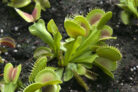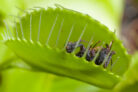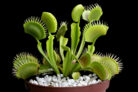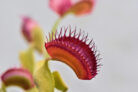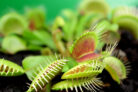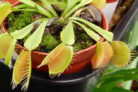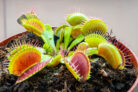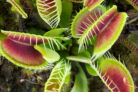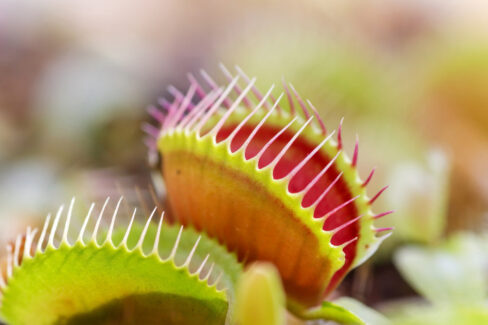
The Venus Flytrap is famous for its iconic snap traps. It lures unsuspecting insects in using that bright red color on the inside of its lobes. Once a bug brushes against the tiny trigger hairs inside, *snap!* The trap shuts tight, and special enzymes take over to handle the rest.
Not everything makes the cut
Believe it or not, the Venus Flytrap is a picky eater. It actually “vets” whatever it catches before it starts the digestive process. Digestion only kicks in if the plant decides the prey is actually edible. It figures this out using different receptors that react to both movement and chemical signals. If the plant realizes it caught something it can’t eat (like a pebble or a piece of debris), it’ll simply open back up after a few hours.
How digestion works
If the plant confirms it has caught a tasty insect, the real work begins. It releases a digestive cocktail that contains:
- Amylase
- Protease
- Ribonuclease
- Phosphatase
This fluid dissolves the prey while simultaneously absorbing all those juicy nutrients. It takes about ten days for the process to finish completely, after which the trap opens again. You might notice some leftovers, like insect legs or hard chitin shells. My advice? Just leave them there. If you try to clean them out, you’ll likely trigger the trap to shut again unnecessarily.
The “Seven Snap” Rule
Here’s a pro tip: a Venus Flytrap’s lobes don’t last forever. Each individual trap can only open and close about seven times in its lifespan. After that, the trap and its leaf will turn black and die off. This is why you shouldn’t overfeed your carnivore or poke the traps just for fun. If you really want to watch the show, make sure the insect you provide isn’t too big—it should be no more than a third of the size of the trap itself.
By the way, the speed of a Venus Flytrap snapping shut is one of the fastest movements in the entire plant kingdom. It happens so fast it’s almost a blur to the naked eye!