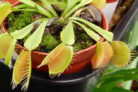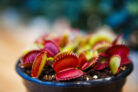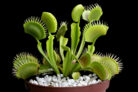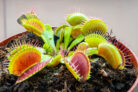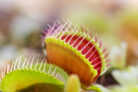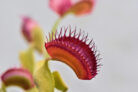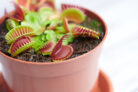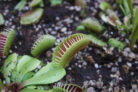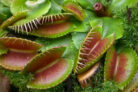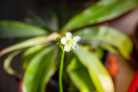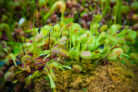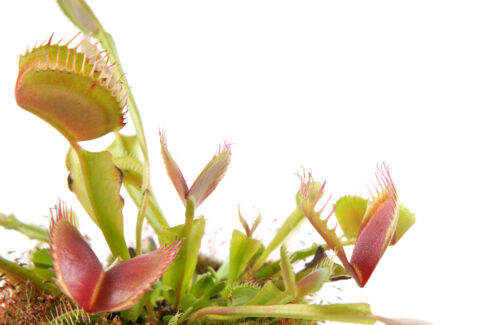
Venus flytraps are native to the boggy wetlands of the Carolinas, where the soil is notoriously nutrient-poor. Because of this, these cool carnivores have evolved to get what they need elsewhere—which means you should never use traditional fertilizer. In fact, giving them too many nutrients is a surefire way to kill them.
Avoid This Common Care Mistake
One of the most frequent mistakes new plant parents make is trying to fertilize their Venus flytrap. I can’t stress this enough: your plant doesn’t need it! Adding fertilizer to the soil is actually toxic to them and will likely lead to their demise.
You might occasionally see advice online suggesting a diluted orchid fertilizer, but I’d recommend staying away from that. Your flytrap is a pro at getting its nutrients from the insects it digests. Plus, a good potting mix provides just enough “food” to keep them happy. If they ever do run low on nutrients, they’re smart enough to pull reserves from their own leaves.
Do You Need to Feed Your Venus Flytrap?
The short answer? No, you don’t actually *have* to feed them. These plants are built-in hunters; they use those bright red “mouths” to lure insects all on their own. If there aren’t many bugs around—like during the winter months—don’t sweat it. They can survive just fine on very little, or by drawing what they need from their substrate.
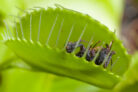
Of course, we all know how cool it is to watch those traps snap shut! If you want to feed them occasionally just for the fun of it, go for it. Just don’t overdo it. Each individual trap can only open and close about seven times before it dies off, so you want to let the plant do its thing naturally most of the time.
The Secret is Regular Repotting
To keep your Venus flytrap healthy and well-fed, the best thing you can do is repot it once a year with fresh substrate. Most flytrap mixes are heavy on peat moss, which breaks down over time. Replacing it annually ensures your plant has a fresh, airy home.
Early spring is the perfect time for a move. Here’s how to do it right:
- Fill a clean pot with fresh carnivorous plant substrate.
- Give the mix a good soak so it’s nice and moist.
- Carefully lift your Venus flytrap out of its old home.
- Gently remove as much of the old soil from the roots as possible.
- Place your plant into its new pot.
- Fill in the gaps with more substrate.
- Make sure to water your Venus flytrap regularly to keep it hydrated!