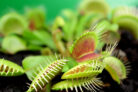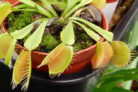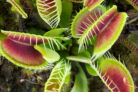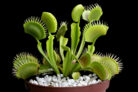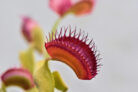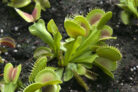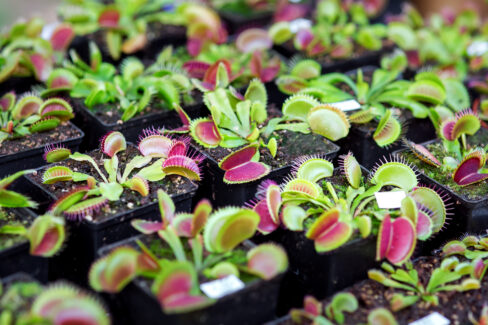
When your carnivorous plants start blooming, it’s a huge deal! It’s basically your plant’s way of giving you a high-five and saying you’re doing a great job with its care. But these aren’t your average garden flowers—carnivorous blooms have some pretty unique quirks.
The Perfect Spot
If you want to see those flowers, location is everything. Most of these guys are total sun-worshippers and love soaking up direct sunlight outdoors during the summer. The big exception? Carnivorous plants in glass containers. Think of the glass like a magnifying lens—it can actually scorch your plants even if the soil is damp. If yours are behind glass, make sure to shield them from that intense midday heat.
Also, if you just brought a new plant home, don’t toss it into the blazing sun right away. Give it a little “tanning” period. Start it off in the shade or partial sun for a few days so it can build up its natural defenses. Once it’s acclimated, it’ll be ready to handle the full sun like a pro.
Care and Maintenance
Good care is the secret sauce for flower production. Now, even though bugs are a nice snack, your plants don’t actually *need* them to survive; they get plenty of nutrients from their specialized soil. So, there’s really no need to feed your carnivorous plants manually.
The real trick is consistent watering. The best way to do this is the “tray method.” Just fill a saucer with about an inch (2 cm) of water and let the plant soak it up. Once the saucer is dry, wait about two days before refilling it.
And here’s a pro tip: skip the fertilizer entirely! Instead, just repot your plants once a year using a substrate specifically mixed for carnivores.
Flowers on the Long Haul
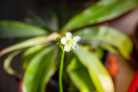
Have you ever noticed how carnivorous plants grow their flowers on incredibly long stalks? There’s a genius reason for that. These plants face a bit of a dilemma: they need insects for food, but they also need them for pollination. You definitely don’t want to confuse the flower with the pitcher or trap used to catch dinner! Even Pitcher plants (Nepenthes) grow distinct flower clusters.
That long distance between the trap and the flower is a safety measure. It ensures that the “good” bugs (the pollinators) don’t accidentally end up as a meal. You can see this really clearly with Butterworts (Pinguicula). They grow a low rosette of leaves, but then shoot up a flower stalk that can reach up to 8 inches (20 cm) high!