Bee populations across the country are facing some tough times, partly because our backyards are becoming filled with non-native plants that don’t offer much for the local ecosystem. If you’re looking to help out our fuzzy pollinator friends, the Linden tree is a total superstar during its blooming season.
When Summer Kicks Off
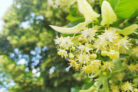
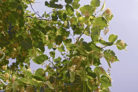
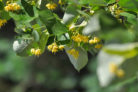
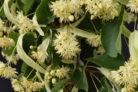
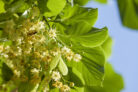
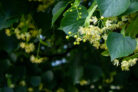
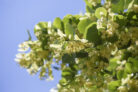
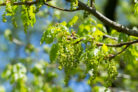
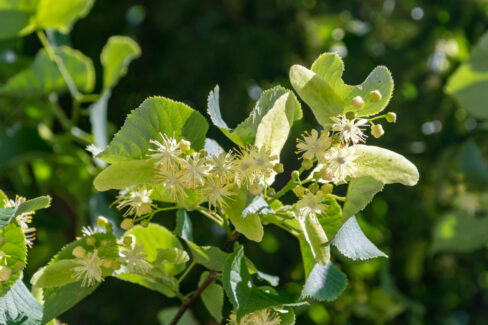
For most varieties, the Linden (also known as the Basswood or Lime tree) starts its show in June. If you have a Large-leaved Linden, you’ll see action about two weeks earlier than the Little-leaf variety. The trade-off? The Little-leaf Linden stays in bloom well into mid-July. The flowers themselves are a soft, pale yellow and look quite delicate. That dainty look comes from the fine, wispy stamens that cover the blossoms in huge clusters.
A Must-Have for Honeybees
As I mentioned, bees absolutely swarm Linden trees when they’re in bloom. Along with crops like rapeseed, Lindens are one of the most vital food sources for bees, especially in northern regions. It’s easy to see why—even from a distance, the trees give off an incredible, sweet fragrance that smells exactly like honey. Since Lindens are popular in city parks and lining downtown streets, they’re actually a secret weapon for urban beekeepers looking to produce high-quality, single-varietal honey right in the middle of the city.
Nature’s Own Medicine Cabinet
Linden blossoms aren’t just for the bees; they’re a staple in the kitchen and for natural home remedies. Brewing the flowers into a tea is a classic way to help soothe a few common issues, such as:
- Cold and flu symptoms
- Digestion troubles
- Fevers
But honestly, you don’t need to be feeling under the weather to enjoy a cup. Linden tea has a lovely, subtle flavor that’s great anytime. Plus, if you’re feeling adventurous in the kitchen, you can use the blossoms to add a floral note to homemade jams or even DIY liqueurs.
More Than One Way to Grow
Once the blooming season wraps up, the tree gets busy spreading its seeds. Each seed is attached to a little wing-like leaf (called a bract) that helps it catch the breeze and travel surprisingly far. But the Linden doesn’t just rely on the wind; it’s also great at “self-cloning” through its root system, sending up new shoots and suckers to ensure the next generation takes hold.