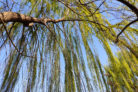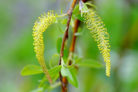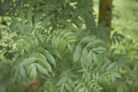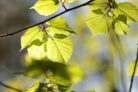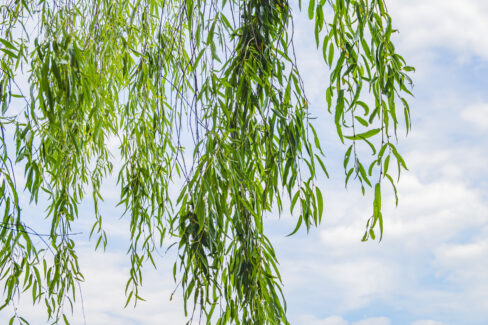
Willow trees are generally pretty tough customers. But even these hardy giants can run into trouble with pests under the right conditions. If your willow is looking a little under the weather, don’t worry—I’ve got you covered. Here’s a breakdown of the usual suspects and how to handle them so your tree can get back to its beautiful, sweeping self.
What to Watch For When Pests Move In
Now, don’t panic the second you see a bug on a leaf. Not every beetle hanging out in your yard is a villain! However, if you notice a massive crowd of insects or see your leaves being devoured right before your eyes, it’s time to pay attention. In some cases, you’ll definitely want to step in and help your tree out.
The most common willow troublemakers are:
- The Goat Moth (Willow Borer)
- The Willow Sawfly
- The Blue Willow Beetle
Spotting the Goat Moth (Willow Borer)
The Goat Moth is a brownish moth that likes to tuck its eggs right under the willow’s bark. Once those eggs hatch, the larvae start tunneling through the wood—which is as bad as it sounds. If you catch these guys early, you can try to remove them manually. But if they’ve already made themselves at home, you might need to prune away the infested branches to save the rest of the tree.
Dealing with the Willow Sawfly
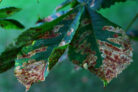
The Willow Sawfly is a real glutton; these pests start at the edges of the leaves and eat their way inward. If the infestation is bad enough, your tree can end up looking pretty bare. You can recognize these little guys by their shiny black heads and the yellow or orange spots on their bodies. If you see that signature “skeletonized” leaf damage, it’s time to act. Pick off any pests you see and prune back any branches that are heavily affected.
Fighting Back Against the Blue Willow Beetle
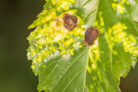
This beetle loves to lay its larvae all over the willow. As they feed, they create tiny holes in the foliage, which eventually turn a rusty brown color. For a big, healthy, established willow, these beetles are usually just a minor annoyance. However, for young saplings or trees already struggling with stress, they can be a real problem. If a young tree is in danger, you might consider a treatment to drive the pests away. Just remember that pesticides can affect the rest of your garden’s ecosystem, so use them as a last resort and weigh your options carefully!