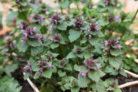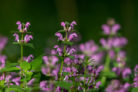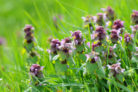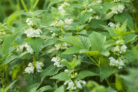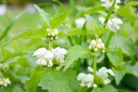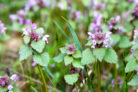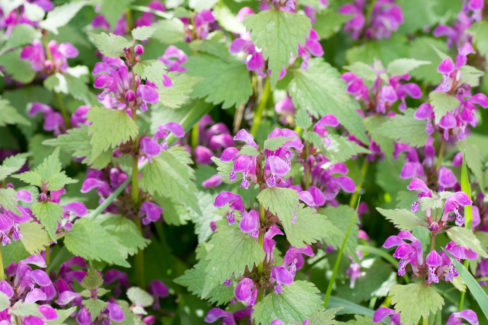
The “spots” on the Spotted Dead Nettle are so charming that this plant has officially graduated from a simple wildflower to a garden favorite. You’ll find plenty of varieties at your local nursery these days, making it a go-to choice for nature-loving gardeners who want to add some effortless beauty to their landscape.
Quick Facts
- Botanical Name: Lamium maculatum
- Family: Lamiaceae (Mint family)
- Genus: Lamium (Dead nettles)
- Origin: Europe to Asia Minor
- Type: Mostly perennial herbaceous plant, occasionally annual
- Foliage: Deciduous to semi-evergreen
- Growth habit: 8 to 30 inches tall; can be upright or trailing
- Bloom Time: April through November
- Fruit: Schizocarps (four single-seeded nutlets)
- Stems: Classic square shape, hollow inside
Showy Leaves and Blooms
Let’s take a closer look at the foliage and flowers, because that’s where this plant really shines. The name “Spotted Dead Nettle” actually comes from the delicate markings on the flower’s lower lip. In the winter, the leaves often sport a bright silvery stripe down the center. While you’ll mostly see purple (and occasionally white) flowers in the wild, garden centers offer a whole palette of pink, salmon, and violet varieties. You can even find cultivars with heavily variegated leaves that make fantastic groundcovers. Here are a few more details:
- Flowers can grow up to about an inch (30 mm) long.
- Blooms grow in “false whorls” of two to eight flowers.
- You’ll see three to eight of these whorls stacked in tiers.
- The leaves are about 3 inches long and softly hairy (don’t worry, they don’t sting!).
- Leaf shapes vary from oval to triangular or heart-shaped.
- Edges are doubly serrated (toothed).
- The leaves are fragrant (though gardeners are still debating whether they smell good or just “earthy”).
Where It Grows and How It Spreads
Spotted Dead Nettle is a bit of a multitasker when it comes to spreading; it uses both seeds and runners (above and below ground) to fill out a space. It’s happiest in moist, nutrient-rich soil that isn’t too alkaline. It loves anything from partial shade to full sun, which is why you’ll often spot it along forest edges or roadsides. It’s a tough cookie, too—growing at altitudes of up to 6,500 feet!
Yes, It’s Edible!
Just like White Dead Nettle and Red Dead Nettle, this variety is completely edible. From the roots and leaves to the flowers and seeds, the whole plant is fair game. You can enjoy this wild herb raw or cooked. It has a distinct mushroom-like aroma that makes it super versatile in the kitchen. The colorful flowers are a favorite for decorating desserts because they have a lovely, sweet taste.
Pro Tip:
Want to help out your local pollinators? Give Spotted Dead Nettle a little corner in your garden. When it’s in bloom, it acts like a magnet for bees, bumblebees, and butterflies!