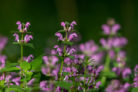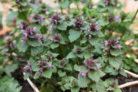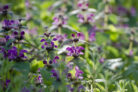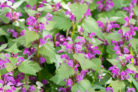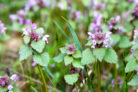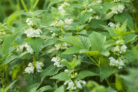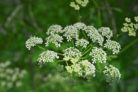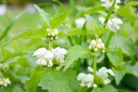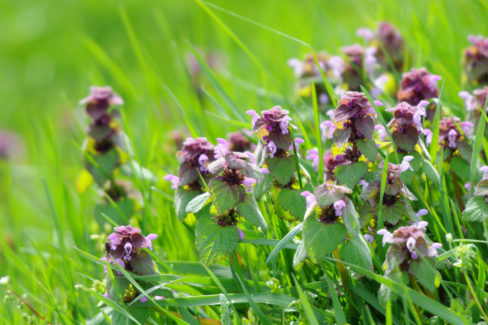
Dead nettles (botanically known as *Lamium*) are everywhere once you start looking for them! If you’re out for a stroll, chances are you’ll spot some. The best part? The entire plant is edible. Whether you’re tossing the leaves into a salad or using the flowers as a garnish is totally up to you and what’s currently in season.
A Quick Flavor Guide
First things first: dead nettles are completely non-toxic. You can safely sample every part of the plant to see what you like best. Here’s a little “tasting menu” of what to expect:
- Leaves: These have a mild, herbal flavor.
- The “Fancy” Note: Some foragers even swear they detect a hint of champagne!
- Roots: Surprisingly, the roots taste a lot like porcini mushrooms.
- Flowers: These smell like honey and have a lovely, delicate sweetness.
Pro Tip:
Don’t forget the seeds! If you dry them, you can enjoy this wild herb all winter long. Just place them in a bright spot indoors to grow sprouts for your smoothies and salads.
When to Harvest
To get the best flavor, timing is everything. Here is when to head out:
- Roots: Best harvested starting in the fall.
- Leaves and Shoots: You can pick these from spring through fall, but the early spring leaves are by far the most tender.
- Flowers: Harvest these during their blooming period. Depending on the variety, this can be anytime from March to November.
- Seeds: You can usually start collecting the first seeds by late May.
Pro Tip:
Want to dive deeper? Check out our Dead Nettle Profile. We also have specific guides for White Dead Nettle, Red Dead Nettle, and Spotted Dead Nettle.
Where to Find Them
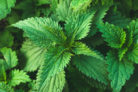
Sometimes this “wild weed” hitches a ride into our backyard gardens. Unfortunately, many people try to get rid of dead nettles because they don’t realize how useful they are! Beyond the garden, you can find them almost anywhere in the wild. Unlike stinging nettles, they don’t sting, and their distinct flowers make them easy to tell apart. Look for them in these spots:
- Roadsides, trail edges, and forest borders.
- Fallow fields and unmanaged land.
A quick word of caution: only harvest plants from clean areas. Avoid spots right next to busy roads or farm fields that might be sprayed with pesticides. Also, dead nettles wilt pretty fast once picked, so only grab what you need for the day and use them as soon as possible.
Kitchen Inspiration
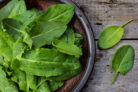
So, how do you actually eat them? The roots are great raw as a crunchy snack, but they’re also delicious sautéed like a root vegetable. The leaves are perfect for smoothies and salads, or you can steam them like spinach to serve with fish. Quick tip: the top 3 or 4 leaves on each stem are the most tender and flavorful!
As for the flowers, they are a treat to snack on right off the stem. Because they’re so pretty and sweet, they make a fantastic garnish for desserts.
Note:
Dead nettles aren’t just tasty; they also have medicinal properties, often used to help with inflammation. You can even brew a healthy herbal tea with them right at home.