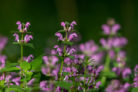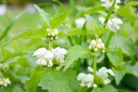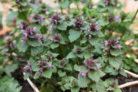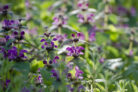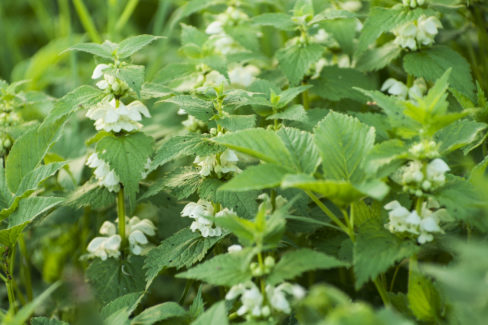
White Dead-Nettle isn’t just a magnet for bumblebees; it’s been a favorite for humans for centuries, too. Many of us remember plucking those white, tubular flowers as kids to get a tiny taste of the sweet nectar inside. Sadly, a lot of the traditional knowledge about this versatile wild plant has been lost over time. Let’s change that!
Quick Facts
- Scientific Name: *Lamium album*
- Common Names: White Dead-Nettle, Bee Nettle, White Archangel
- Family: Mint family (Lamiaceae)
- Genus: Dead-nettles (*Lamium*)
- Origin: Europe and Northern Asia
- Growth Habit: Upright and herbaceous, reaching 8 to 30 inches tall
- Leaves: Heart-shaped to oval, up to 3 inches long, fuzzy, with coarsely toothed edges
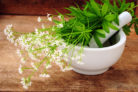
- Flowers: About 1-inch long hooded blooms, white, arranged in clusters (verticillasters), with a honey-like scent
- Blooming Period: April through October (usually starts flowering in its second or third year)
- Fruit: Four-parted schizocarps
- Propagation: Self-seeding and underground runners
Where to Find It in the Wild
Keep an eye out for White Dead-Nettle along meadows, forest edges, roadsides, or tucked near hedgerows. It thrives in sunny to partly shaded spots with moist, nutrient-rich soil. Sometimes it “wanders” into home gardens on its own, but it’s also a great plant to cultivate intentionally—it looks fantastic paired with hostas and ferns. Plus, it’s a “nitrogen indicator,” meaning if it’s growing thick and lush, your soil is likely very rich in nitrogen.
White Dead-Nettle is Edible
This plant is way more than just a pretty face in the wild. It’s completely non-toxic, delicious, and highly versatile in the kitchen. The leaves and roots actually have a flavor reminiscent of porcini mushrooms! You can enjoy them raw in salads or cooked like spinach. While you can harvest the leaves from spring through fall, the young shoots in early spring are by far the most tender and flavorful. If you’re after the roots, wait until autumn to dig them up.
The flowers are edible too—they’re sweet and make a gorgeous garnish for desserts. You can even collect the seeds in winter to grow your own nutritious sprouts indoors.
Pro Tip:
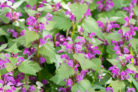
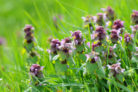
If you happen to spot Red Dead-Nettle or Spotted Dead-Nettle on your nature walk, feel free to harvest those as well. They are also edible and share that same mild, mushroomy aroma.
Medicinal Uses
In the world of herbalism, White Dead-Nettle is prized for its antibacterial, blood-purifying, and diuretic properties. It’s also known for helping to clear mucus and soothe cramps, making it a go-to for cold symptoms or digestive issues. As long as you’re harvesting away from busy roads, you can dry the herb to brew a healthy, soothing tea at home.