When it comes to evergreens, not all root systems are created equal. In the world of conifers, you’ll find both shallow-rooted species and deep-rooted ones, and each style has its own set of pros and cons. Today, I want to dive deep (pun intended!) into the world of deep-rooted conifers and what makes them tick.
Popular Deep-Rooted Conifers
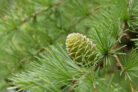
If you’re looking for trees that really anchor themselves into the earth, some of the most common deep-rooting varieties include:
- Firs
- Larches
- Yews
- Pines
How Deep Roots Actually Work
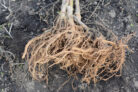
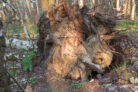
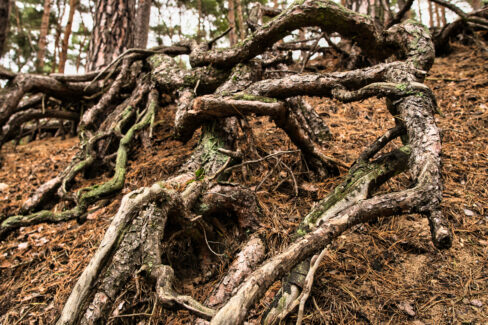
Deep-rooting trees are the “anchors” of the forest. Unlike shallow-rooted trees, you won’t see their roots snaking across the surface of your lawn. Instead, they push down several feet into the soil. Most of these trees start with a primary “taproot” that grows straight down, with smaller lateral roots branching off to provide extra stability.
The Perks of Going Deep
One of the biggest advantages of a deep root system is access. These trees can reach groundwater and nutrients buried far below the surface, which makes them total rockstars during a drought. While shallow-rooted trees might struggle when things get dry, deep-rooters stay hydrated and happy.
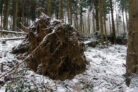
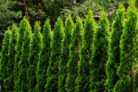
They’re also incredibly sturdy. Thanks to that deep anchor, even a heavy storm or high winds usually won’t knock them over. Another bonus for homeowners? You can often plant them a bit closer to buildings or walls than shallow-rooters, as they’re less likely to heave up your pavement. Plus, because the roots aren’t hogging the surface soil, it’s much easier to plant flowers or shrubs right underneath them.
A Few Downsides to Consider
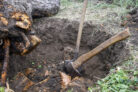
As much as I love them, deep-rooted trees aren’t perfect. Because those roots go so far down, trying to dig up or transplant one is a massive chore—and often impossible. If you try to move an established tree, you’ll likely damage the main root system so badly that it won’t survive the move.
These trees also tend to get big. Since they have such a solid foundation, they can support massive, wide canopies. One thing to watch out for: keep an eye on where your underground pipes, sewer lines, and cables are. Those powerful roots can definitely do some damage if they decide to wrap around a utility line.
Root Systems Can Change Over Time
Nature is full of surprises! It’s important to know that a tree’s root system isn’t always set in stone for its entire life. Some species start out with a classic taproot when they’re young, but as they mature, they stop pushing downward and start spreading their roots out wide and shallow instead. It’s always a good idea to research the specific variety you’re eyeing for your yard!