When you’re looking at the wide world of evergreens, you’ll find two main types of root systems: shallow-rooted and deep-rooted. Having roots that stay close to the surface comes with its own unique set of pros and cons. Let’s dive into what makes these “shallow-rooters” tick and look at some of the most common varieties you might find in your neck of the woods.
Popular Shallow-Rooted Conifers
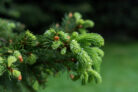
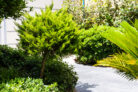
The most classic example of a shallow-rooted conifer is the Spruce. However, there are plenty of other popular species that share this trait, including:
- Arborvitae (Thuja)
- Douglas Fir
- Japanese Cedar (Sugi)
- Hemlock
How Shallow Root Systems Work
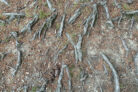
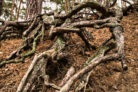
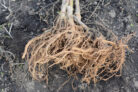
As the name suggests, shallow roots don’t go very deep. Unlike deep-rooted trees that anchor themselves far underground, these roots stay just a few inches below the surface—and in some cases, you’ll even see them snaking across the top of the soil.
Instead of growing down, these roots grow *out*. By spreading horizontally in a wide radius, they create a broad base that helps keep the tree upright and stable.
The Downsides of Shallow Roots
Because these roots don’t reach deep into the earth, they can’t tap into groundwater or the nutrients tucked away in lower soil layers. This means they rely heavily on surface water and rain. On the bright side, their wide footprint gives them a huge “catchment area” to soak up every drop of a summer shower.
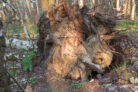
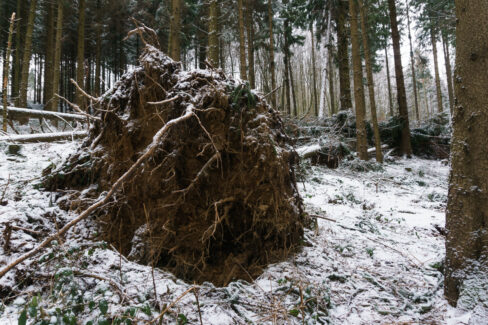
Another thing to keep in mind is stability. Generally speaking, shallow-rooted trees aren’t quite as sturdy as their deep-rooted cousins. During a heavy storm or high winds, they are more prone to being uprooted.
Space is also a big factor when planting. These roots need plenty of room to stretch out. Because they take up so much real estate right under the surface, it’s pretty tough to plant anything else directly underneath them. You’ll also want to keep a respectful distance from buildings, driveways, or walls, as those strong surface roots can eventually cause structural damage.
The Benefits of Shallow Roots
It’s not all bad news, though! Shallow-rooted trees are champions at growing in spots where the soil layer is thin. Since they don’t need deep earth to thrive, they are actually great candidates for rooftop gardens or rocky terrain.
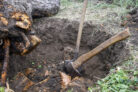
One of the biggest perks comes if you ever need to remove the tree. Since the roots aren’t anchored deep in the bedrock, taking them out is much easier than digging out a massive taproot. Plus, if you leave a few root fragments behind, you don’t have to worry about them sprouting new shoots. They’ll simply decompose on their own over time, returning nutrients to your garden soil.