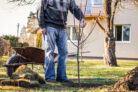
Usually, there are two main reasons you’d find yourself digging up an apple tree. Either the tree is old, diseased, or has unfortunately passed away, or you’ve decided it’s time to give it a fresh start in a better spot in your yard.
Transplanting your apple tree after digging it up
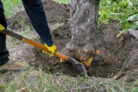
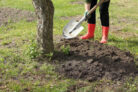
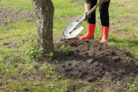
If you’re planning to move your apple tree, timing is everything—you’ll want to do this while the tree is in its dormant phase. Start by digging a small trench around the root ball. Try to keep as much soil as possible tucked in between the roots. Carefully cut through the roots with straight, clean strikes, and use a spade and garden fork to gently pry the root ball loose from the surrounding earth. Pro tip: wrap the root ball in a large burlap sack or an old blanket for the move. This keeps the soil intact and protects the roots while you relocate the tree to its new home.
Digging out an apple tree stump
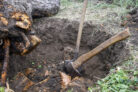
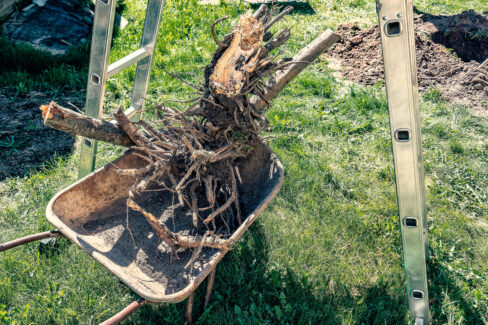
Now, if you’re trying to remove a stump entirely, I won’t sugarcoat it—it’s a workout! Naturally, a stump can take 8 to 10 years to rot away on its own. If you’re planning to plant a new tree in that same spot (rather than just seeding some grass), you’re going to have to dig it out. My advice? Leave about three feet of the trunk standing. It might look a bit odd at first, but you’ll be thankful for the extra leverage when you’re trying to pry it out. You can also make your life a lot easier by using a chainsaw to carefully cut through the thicker lateral roots as you go.
Composting the stump in place
If you aren’t in a huge rush and want to save your back some trouble, you can compost the stump right where it sits. Take a chainsaw and cut a crosshatch or grid pattern into the top of the stump. No chainsaw? No problem. Just grab a power drill with a wood bit and bore several deep holes into the wood. Fill those gaps or holes with a mix of fresh compost and an organic fertilizer (or a compost starter). This introduces fungi and microorganisms that will break down the wood much faster than nature would on its own.
Quick Tip
If the stump isn’t in the way and you don’t need to plant something else right there, why not turn it into a garden feature? You can use it as a natural pedestal for potted plants or grow climbing vines around it to cover it in beautiful blooms.