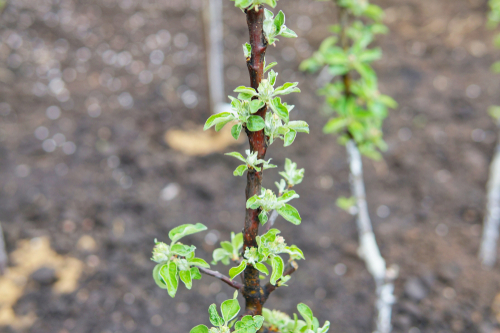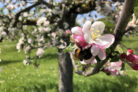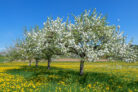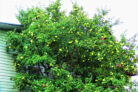
As a passionate gardener, there’s nothing more frustrating than babying your apple tree all year only to have it refuse to bloom. If you’re staring at a tree full of leaves but zero flowers, don’t worry—you’re not alone, and there are usually a few simple reasons why this happens.
Take it Easy on the Fertilizer
Believe it or not, you can actually be *too* nice to your tree. Some gardeners go a bit overboard with fertilizing. If you hit the tree with too much nitrogen, it’ll put all its energy into growing massive roots, lush green leaves, and long branches, completely “forgetting” to produce blossoms and fruit. This can also happen if your soil is naturally super rich or if you planted your tree way too close to a compost pile.
Pro Tip: During the growing season, stick to a fertilizer high in phosphorus and potassium (twice a year max) to encourage those blooms.
Keep the “Tree Circle” Clear
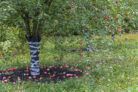
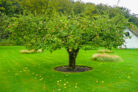
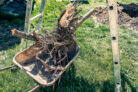
You really want to keep the area directly around the trunk—often called the tree circle—clear of competition. Avoid letting grass or other underplantings grow right up to the base, as they’ll steal the nutrients your apple tree needs. While a layer of wood mulch is great for keeping the soil moist, keep in mind that it can actually pull a little nitrogen out of the soil as it breaks down.
Master the Art of Pruning
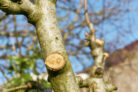
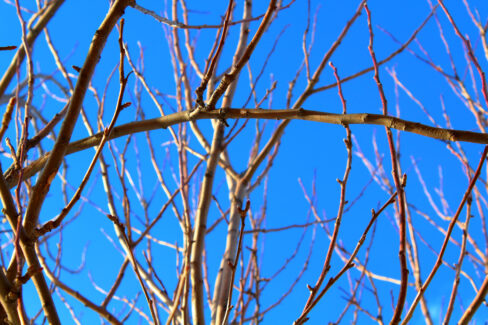
How and when you prune makes a huge difference in whether you’ll see flowers next spring. Timing is everything here! For most of us, a winter prune is the easiest way to go because you can clearly see the tree’s structure. Just be careful not to get too aggressive—if you cut back the fruiting wood too much, you’re literally cutting away next year’s harvest. Make sure you’re pruning at the right time of year for your specific variety.
Invite Some Tiny Helpers
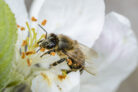
If your tree is blooming but you aren’t seeing any actual apples, you might have a pollination problem. If there aren’t enough bees or bumblebees buzzing around, your crop will suffer. Try planting more bee-friendly flowers nearby or setting up an “insect hotel” to welcome local pollinators. If you’re really in a pinch, you can even hand-pollinate using a soft paintbrush. Just remember: apple trees are cross-pollinators, so you’ll need pollen from a different variety to get the job done.
Gardener’s Hack:
Try hanging a flowering branch from a different apple variety in a jar of water right in your tree’s canopy. Long-term, your best bet is to always plant a second, compatible apple tree nearby.
Watch Out for Late Frosts
Sometimes, Mother Nature just has a bad attitude. If you get a sudden late-spring frost after the buds have already started to open, the delicate blossoms can freeze and die off. Unfortunately, there isn’t much you can do once the damage is done except hope for better weather next season!