Sometimes, moving a fruit tree is just unavoidable. Maybe you’re moving to a new house and can’t bear to leave your favorite tree behind, or perhaps you’ve realized its current spot just isn’t working—maybe it’s too close to the neighbor’s fence or right in the middle of your new patio plans.
Prepping Your Tree for the Big Move
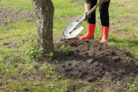
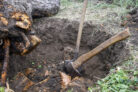
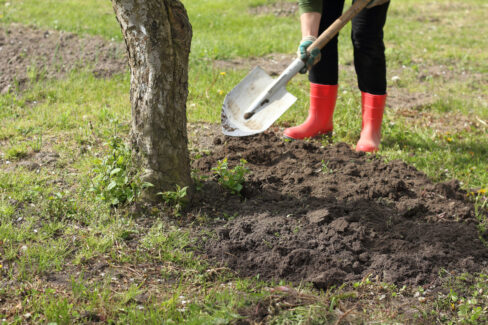
The golden rule here? Don’t just dig it up on a whim! Proper preparation is absolutely vital, especially for older trees. You’ll want to start by carefully “root pruning” with a spade. Aim for a radius that matches the size of the tree; this encourages the growth of new feeder roots closer to the trunk. Ideally, you should do this a full year before the actual move. Remember, a tree’s root system is its lifeline, so treat it with extra care throughout the process.
When is the Best Time to Transplant?
Timing is everything. You need to move your tree during its dormant phase, typically between September and April. During these months, the apple tree isn’t busy pushing out new growth, blooming, or ripening fruit—trying to move it during those active stages is a recipe for disaster. Plus, it’s a whole lot easier to transport a tree when it’s not covered in heavy foliage!
Digging Up the Root Ball
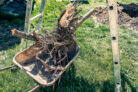
To make sure you don’t damage the roots while digging, take a good look at the tree’s canopy. A great rule of thumb is that the root ball is usually about as wide as the crown of the tree. Keep as much soil as possible tucked between the roots and use a sharp spade to make clean cuts. Pro tip: wrap the root ball in burlap and tie it securely to keep everything intact during the move.
Preparing the New Planting Hole
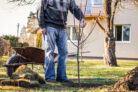
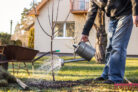
First things first: make sure the new hole is plenty big enough for the root ball. Once you’ve set the tree in its new home, fill in the gaps with some high-quality compost. I also recommend mixing some of the original soil with the new soil; this “familiar” dirt helps the tree adjust to its new location much faster. To give it the best start, use stakes for extra stability while it gets established. And don’t forget to keep it well-watered so those delicate feeder roots can really take hold!