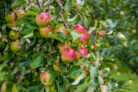
Apple trees are a staple in backyards across the country, and for good reason! As a member of the pome fruit family, the apple stores its seeds in a neat little five-chambered core, all wrapped up in that juicy, crunchy flesh we love.
Finding the Perfect Spot for Your Sapling
Unlike your veggie patch, picking a spot for a fruit tree is a long-term commitment. You really want to make sure the location hits the mark when it comes to soil quality, light, and local temps. Generally, apple trees are sun-seekers and prefer a spot that’s shielded from harsh winds. They love nutrient-rich soil that holds onto moisture without getting swampy. While most crave full sun, there are actually some varieties that do just fine in partial shade. If you go the shadier route, just make sure you’re extra generous with organic matter in the soil to give them a boost.
Getting Your Sapling in the Ground
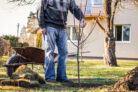
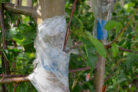
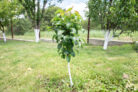
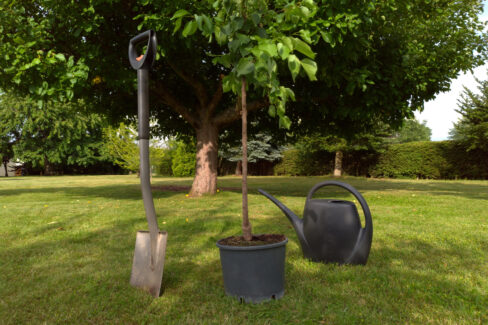
If you’re looking for the absolute best time to plant, fall is your golden window. Just pick a day when the ground isn’t frozen. If your sapling is still a “little guy,” you’ll want to plan for some winter protection to help it survive the chill. When you’re ready to dig, make sure the planting hole is at least twice as wide as the root ball to give those roots plenty of room to spread out.
Spacing Matters: Know Your Tree’s Potential
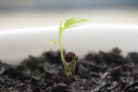
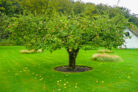
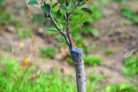
If you’ve grown a sapling from a seed, it’s a bit of a guessing game as to how big it’ll actually get. However, if you buy a grafted tree from a nursery, you’ll know exactly what you’re dealing with, making it much easier to plan your garden layout. For instance, planting a semi-standard or a standard tree in a tiny backyard is a recipe for a cramped garden later on. If you don’t plan for the final height and spread now, you might find yourself having to transplant a much larger tree down the road—and trust me, that’s a lot more work!