While the yew tree is famous for its gorgeous, evergreen needles, it’s not always the perfect neighbor. Since almost every part of the tree is toxic, many gardeners find themselves needing to dig them up or move them elsewhere. But I’ll be honest with you: getting a yew out of the ground is no walk in the park. Here is the lowdown on how to get the job done right.
What You Need to Know About Yew Roots
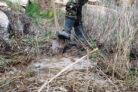
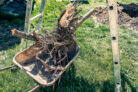
The yew is what we call a deep-rooter. This means the tree sends thick, powerful roots way down into the earth. If you’re dealing with a fully grown tree, digging it out is going to be a serious workout. Depending on the size of your yew, you’ve got some real labor ahead of you! Plus, you’ll want to try to get as much of the root system out as possible; otherwise, you might find new shoots popping up from the stump left behind.
Are you thinking about relocating your yew instead of getting rid of it? That’s usually only successful with younger trees. If you can get the yew roots out of the ground without damaging them, you can definitely give the tree a new home. Just make sure the new spot makes the yew happy: look for a place with partial shade and plenty of loose soil so those deep roots have room to grow.
How to dig up a young yew:
- Mark a circle around the trunk with a radius of about 5 feet.
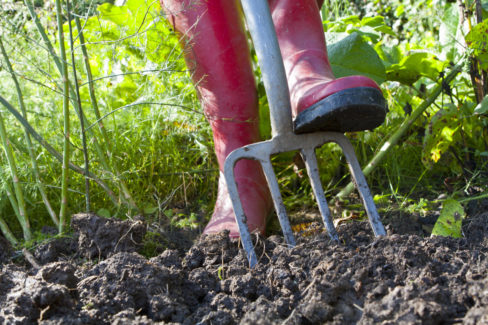
- Use a garden fork or a spade to carefully loosen the soil.
- Dig deep and lift the root ball out of the earth as gently as possible to avoid damage.
Removing an Established Yew
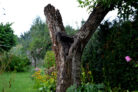
With older, massive yews, the chances of a successful transplant are pretty slim. It’s nearly impossible to get those deep roots out intact. If your goal is simply to remove the tree, your best bet is to cut everything down to the stump.
If you can’t manage to remove the entire root of a large tree, here’s a pro tip: cover the remaining stump with a heavy-duty dark tarp or pond liner. This blocks out the light and prevents the tree from sending up new shoots. If you see any “suckers” or sprouts popping up from the ground nearby, snip them off immediately. Eventually, the root system underground will run out of energy and die off on its own.