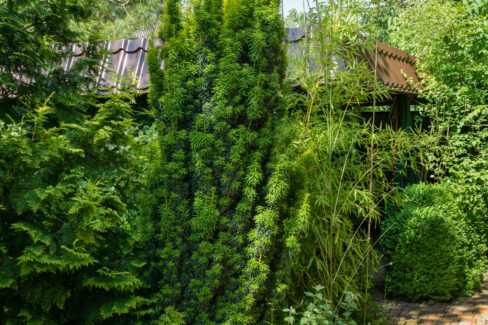
Trying to remove a yew tree root can be a bit of a workout, to say the least. If you’re dealing with a mature tree, you’re likely facing a massive taproot that reaches deep into the earth. But don’t worry—I’ve got some pro tips to help you get those roots under control or get rid of them for good.
What kind of root system does a yew have?
The yew is what we call a deep-rooter. It develops a strong taproot system that, over the years, can tunnel many feet straight down into the soil. This is actually a great survival strategy for the tree—it keeps it anchored during storms and ensures it stays hydrated even during a summer dry spell. The downside? Digging out a fully grown yew root by hand is no walk in the park.
Yew roots are happiest in:
- Well-draining soil
- Moderately moist ground (they hate “wet feet” or waterlogging)
- A partially shaded spot
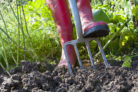
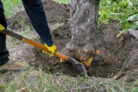
If you want to remove yew roots, you can go the heavy-duty route with an excavator, or roll up your sleeves for some serious digging. One golden rule: don’t leave any chunks behind. If you leave root fragments in the soil, you might find little yew sprouts popping up again before you know it!
How to get rid of the stump and roots
If you aren’t in the mood for back-breaking digging, you can actually speed up the natural decomposition process. Start by cutting the yew down as close to the ground as possible. Then, grab your drill and make several deep holes into the stump. Fill these holes with a compost starter or stump rot accelerator. While some folks use harsh chemicals for this, I recommend sticking to the compost starter if you want to keep your soil healthy and toxin-free. It takes a little longer, but it gets the job done naturally.
Another clever trick is to “starve” the root of light and moisture. Cover the stump and the surrounding root area with a heavy-duty black pond liner or landscape plastic, then bury the plastic under a layer of soil. You can even sow grass seed over the top so it blends right into your lawn. Over time, the root system underneath will die off. Just keep an eye out for any small “suckers” or shoots trying to pop up around the edges of the plastic and snip them off immediately.