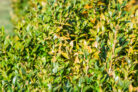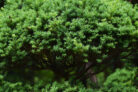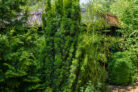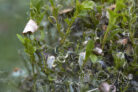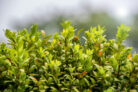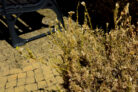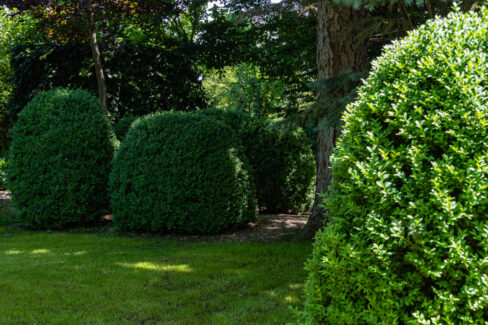
Boxwoods have a lot of enemies: spider mites, gall midges, aphids, and those notorious, hungry boxwood moth caterpillars. On top of that, they’re prone to all sorts of fungi—with boxwood blight being the one we dread the most. Sometimes, despite your best efforts, the battle feels lost. If your boxwood is too far gone or you’re just tired of the constant upkeep, it might be time to pull it out for good.
Digging Out Your Boxwood Completely
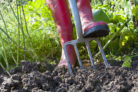
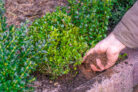
If your boxwood is suffering from a fungal infection or a massive pest infestation, it’s not always possible to save it. To stop diseases from spreading to the rest of your garden, the plant needs to be removed entirely. Simply cutting off the branches won’t cut it; you have to get the entire root ball out of the ground. There’s another reason for this, too: boxwoods are surprisingly resilient, and even a stump cut to the ground can find the energy to sprout new growth.
The Challenge of the Roots
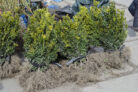
With a sharp pair of loppers, the branches are easy enough to clear away. The roots, however, are a different story. While boxwoods are shallow-rooted—usually only reaching about 20 inches deep—they can still make digging them up a real workout because:
- The root systems are incredibly branched and dense.
- Older plants develop very thick, stubborn roots.
- If you have a hedge, the roots of neighboring plants become tightly intertwined.
- They can be very difficult to pull apart.
Quick Tip:
If you’re dealing with a large, established hedge, doing it by hand is a backbreaker. It might be worth checking if you can get a mini-excavator into your yard to do the heavy lifting.
An Alternative: Letting the Roots Rot
If you aren’t in a rush to replant the area, you might be able to skip the heavy digging and let the roots rot in place. However, since those roots still have plenty of life in them, you have to stop them from sending up new shoots. Here’s how:
- Cut all above-ground parts of the boxwood as close to the soil as possible.
- It’s best to do this in midsummer.
- Cover the root area with a dark, light-proof tarp or landscape fabric.
- Alternatively, cover it with a thick layer of soil with an acidic pH.
- Immediately prune away any new green shoots that manage to peek through.
If a boxwood can’t produce new leaves for a long period, it will eventually die off—usually after about a year. Once that happens, the natural decomposition process begins.
How to Properly Dispose of Your Boxwood
If your boxwood was healthy and you’re just removing it for a landscape change, feel free to compost it. Just make sure to shred the thicker branches and roots first so they break down faster. However, never compost a diseased boxwood! Fungal spores and pests can survive in your compost pile and infect the rest of your garden later. Instead, bag up the diseased plant and put it in your regular trash, the green waste bin (if your local facility reaches high enough temperatures), or take it to a professional green waste disposal site.