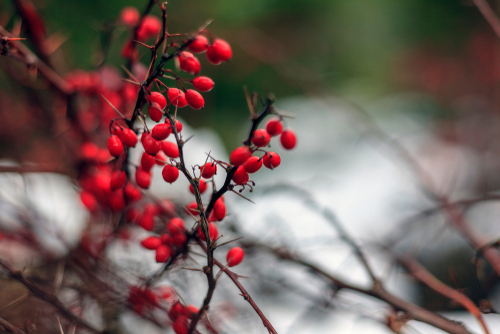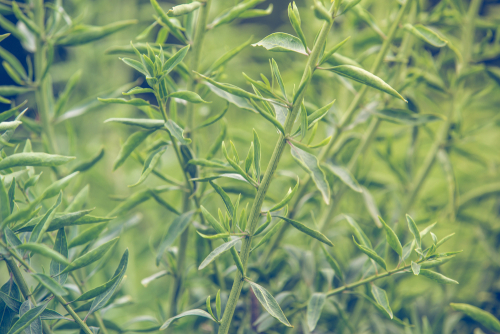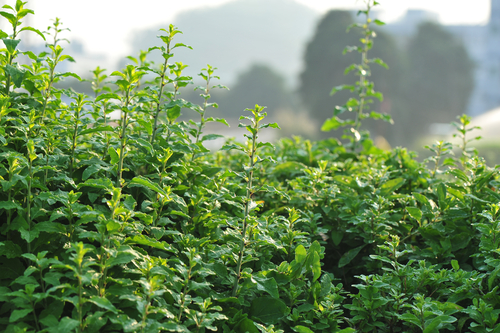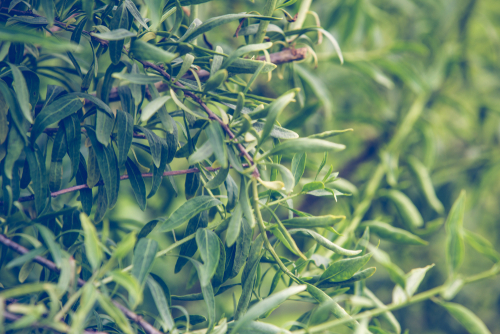
If you’re worried about a wild, sprawling Goji berry bush taking over your entire backyard, I’ve got great news for you: you don’t need a massive garden plot to enjoy these superfoods. Grab yourself a nice, large container and you can grow these berries right on your patio or balcony. Here is everything you need to know to get started.
Container Gardening for Better Control
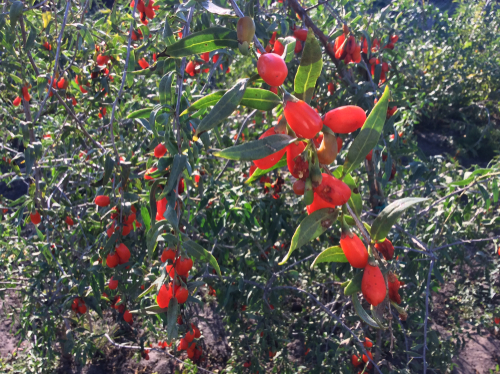
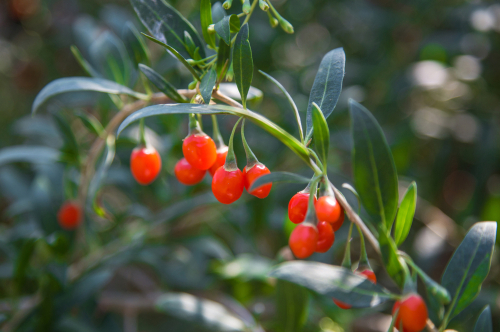
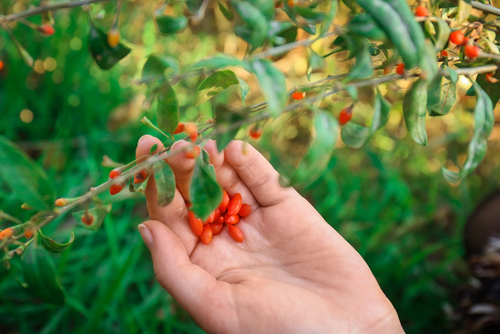
Goji berries grow on a hardy shrub known as Wolfberry (or *Lycium barbarum*). While we used to rely on imports from East Asia, these plants actually thrive in our climate. In fact, if the conditions are just right, they grow incredibly fast and can produce a massive harvest.
That fast growth is exactly why many home gardeners run into trouble—if you aren’t careful, a Goji plant will quickly claim every inch of space it can find. That’s why I often recommend pot culture. Growing them in a container keeps the plant more compact and much easier to manage.
How to Plant Your Goji Berry
When you look at a young sapling, it’s hard to imagine the powerhouse it will become. But don’t let that small size fool you! In no time at all, they can sprout branches up to 30 inches long, reaching out in every direction. Because they grow so quickly, there’s no point in starting with a tiny pot. Choose a large container right from the start; it’ll save you the hassle of constant repotting and keep your plant from getting stressed out.
The best time to get your Goji in the ground (or the pot!) is in the spring. This gives the roots plenty of time to settle in before winter hits. One of the best perks of container gardening is that you have total control over the soil. For the perfect mix, try this:
- Use one part standard high-quality potting soil.
- Mix in one part sand and perlite.
- Keep it moist, but never soggy.
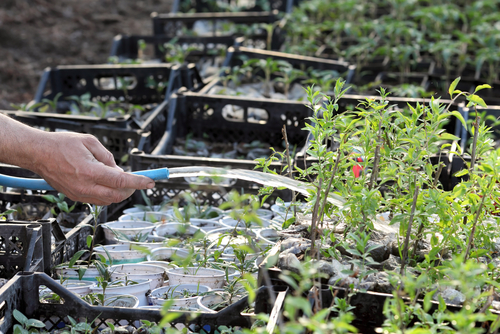
Make sure your pot has plenty of drainage holes. Goji berries hate “wet feet,” and standing water can lead to root rot. You can even skip the saucer underneath the pot. Instead of heavy drenching, aim for moderate, frequent watering to keep those sensitive roots happy.
Finding the Perfect Spot
Wolfberries are sun-seekers, so find a warm, sunny spot for your container. Just a heads-up: don’t panic if you don’t see berries right away. It’s totally normal for the plant to take two or three years before it starts producing. Usually, around the third year, it will bloom for the first time and set plenty of fruit. Once your Goji berry is settled in the right spot with the right soil, it’s incredibly low-maintenance and basically takes care of itself!