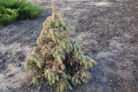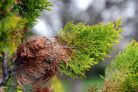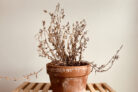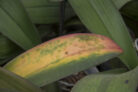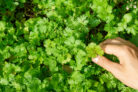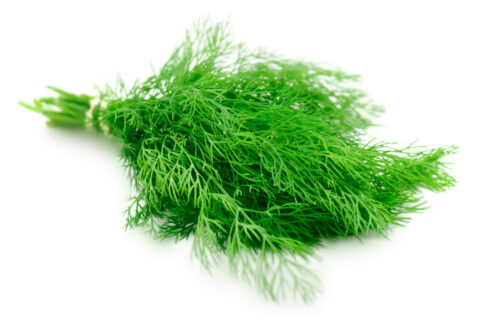
Dill is a kitchen staple and a total favorite for home gardeners. While it’s generally a low-maintenance herb, it can sometimes start turning a frustrating shade of brown. The good news? Most of the time, you can prevent those brown spots before they even start with just a little bit of know-how.
Wrong Spot, Wrong Color
For the most part, dill isn’t too picky about where it lives, but a truly bad location will definitely cause it to discolor. To keep your plants vibrant and green, try to plant them in a spot that hits these marks:
- Sun on the tips
- Roots in the shade
- Protected from the wind
- Sheltered from heavy hail or storms
- Well-draining soil
The best part about dill is that once you find the perfect spot, your work is mostly done! It’s a prolific self-seeder. If you leave a few flower heads alone to go to seed, the plant will basically sow itself and find its own favorite corners of the garden next season.
Bad Neighbors Can Turn Dill Brown
Dill is a fantastic companion plant for most vegetables—it’s even a natural deterrent for aphids and cabbage moths. However, it doesn’t get along with everyone. If you plant it right next to these “bad neighbors,” your dill might start turning brown out of spite:
- Basil
- Fennel
- Pumpkin/Squash
- Parsley
- Celery
Watch Out for Soggy Feet
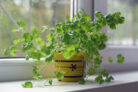
If there’s one thing dill hates, it’s “wet feet” (standing water). It’s very susceptible to root rot, which quickly turns the foliage brown. This is a common issue for dill grown on a balcony or in containers. When you’re potting your dill, make sure to use a container with great drainage and avoid letting it sit in a saucer full of water. If you do use a saucer, be sure to empty it immediately after watering.
Pests and Diseases
Dill grown in pots can be especially vulnerable to pests and diseases. If you notice stunted, crooked growth or browning leaves, you might have some uninvited guests. Keep an eye out for these common culprits and treat them as soon as possible:
- Damping-off disease
- Soil-borne fungi
- Nematodes
- Carrot rust flies
- Root aphids