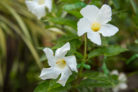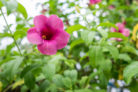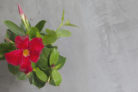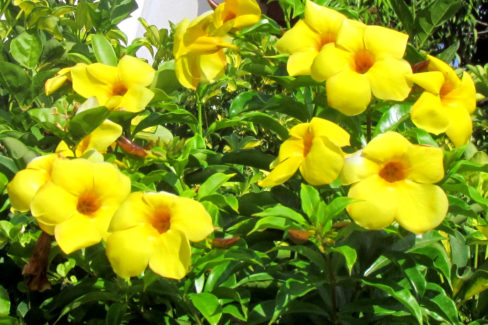
While Dipladenia (also known as Mandevilla) is generally a pretty tough cookie, it’s not totally invincible. To keep your plants happy and blooming, you’ll want to keep a close eye on them. Catching a problem early can make the difference between a thriving vine and a trip to the compost bin!
Fungal Infections
Unlike viral issues, fungal infections are actually pretty common with Mandevilla. Usually, these pesky fungi show up when the plant is already feeling a bit stressed. The most common culprits are:
- A bad location (not enough sunlight or temps that are too chilly)
- Soggy feet (overwatering and poor drainage)
Both of these scenarios weaken your perennial beauty, and damp, dark environments are basically a VIP lounge for fungi. Sometimes, using the wrong potting mix or having an off-balance soil pH can also invite trouble.
Symptoms and What to Look For
With most fungal issues, you’ll spot the first signs on the leaves or stems. Once they get a foothold, they tend to spread fast. Here are the “usual suspects” to watch out for:
Gray Mold (Botrytis cinerea)
- Often shows up as stem rot.
- Stems and leaves turn brown and dry out.
- If left unchecked, it can kill the whole plant.
Anthracnose (Colletotrichum gloeosporoides)
- Causes stem rot and decay.
- Leaves turn a sickly yellowish-green before eventually browning.
- This one is also potentially fatal for the plant.
Leaf Spot Disease (Stemphylium)
- Look for oval or round spots on the foliage.
- These spots usually have a very dark border with a much lighter center (necrosis).
- Leaves will eventually turn yellow.
- Good news: if you catch this early, your plant has a great chance of recovery!
What to Do
Fungi spread like wildfire and won’t hesitate to jump to your other garden favorites. Step one: isolate your infected Mandevilla immediately. Then, follow these steps:
- Prune away all infected parts using a pair of sterilized shears.
- Treat the plant with an appropriate fungicide.
If the infection keeps spreading despite your best efforts, it’s best to say goodbye to that specific plant. It’s better to lose one Dipladenia than to risk your entire collection!
Yellow Mosaic Virus
- You’ll notice stunted side shoots with unusually small leaves.
- Distinctive yellow, mosaic-like patterns appear on the foliage.
- Unfortunately, there is currently no known cure for this virus.
Nutrient Deficiency
If your Mandevilla isn’t getting the “fuel” it needs, it’ll let you know by turning its leaves yellow. If this happens, you can usually nurse it back to health by slowly reintroducing a balanced fertilizer. For long-term success, make sure to fertilize regularly during the growing season and repot your plant into fresh, high-quality soil every two years.