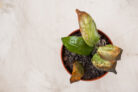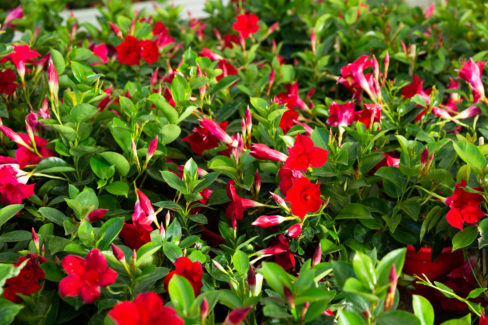
If you’ve noticed the glossy green leaves of your Dipladenia (also known as Mandevilla) turning brown, it’s definitely a bummer to look at—but more importantly, it’s a major red flag that your plant is stressed. The severity of the issue depends on what’s causing it, but you’ll want to act fast to get your tropical beauty back on track.
The Culprits
There are a few common reasons why your Dipladenia might be sporting brown leaves:
- Sunburn
- Watering mistakes
- Frost damage
- Pests and diseases
Sunburn
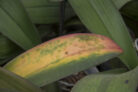
Even though Dipladenias absolutely love the heat and light, they can actually get a “sunburn” if they aren’t acclimated properly. If you move a plant that’s been indoors or in the shade directly into the harsh afternoon sun, those brown spots can appear in just a few hours. While you can’t “fix” a burnt leaf, the plant will eventually grow new ones.
What to do:
- Move your Mandevilla out of the direct sun immediately.
- Let it recover in partial shade for a few days.
- Gradually reintroduce it to the sun, a little bit at a time.
- Pro tip: Always “harden off” your plants by slowly increasing their sun exposure over a week or two.
Watering Mistakes
Mandevillas are a bit like Goldilocks—they don’t like too much or too little water. If the soil is constantly soggy, the roots will rot, which prevents the plant from taking up nutrients and turns the leaves brown. On the flip side, if the soil is bone dry for too long, the leaves will crisp up. Either way, the plant ends up dehydrated.
How to fix overwatering (Root Rot):
- Move the plant to a dry location where it’s protected from rain.
- Stop watering immediately.
- Check the roots: if they look mushy or smell bad, trim away the rotten parts.
- Repot your Dipladenia into fresh, dry potting soil.
- To prevent this in the future, make sure your pot has a drainage layer (like gravel or leca) at the bottom and protect it from heavy downpours.
How to fix underwatering:
- Give your Mandevilla a good drink of lukewarm water (don’t drown it all at once, though!).
- Check the soil daily and try to keep it consistently moist but not soaked.
Frost Damage
Keep in mind that Dipladenias are tropical souls—they are not cold-hardy at all. Even a light first frost can cause the plant to freeze, turning the foliage brown and limp.
What to do:
- Bring the plant indoors as soon as temps drop.
- Let it acclimate to the warmth gradually (around 45°F or 7°C is a good starting point).
- Don’t rush to prune! Wait until spring to cut back those brown leaves and dried-out stems.
Pests and Diseases
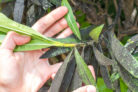
Sometimes, fungal infections or pests are the real villains. Fungal issues often start as small brown spots that eventually take over the whole leaf. Meanwhile, pests like aphids or scale suck the sap right out of the plant, starving the leaves until they turn brown and fall off.