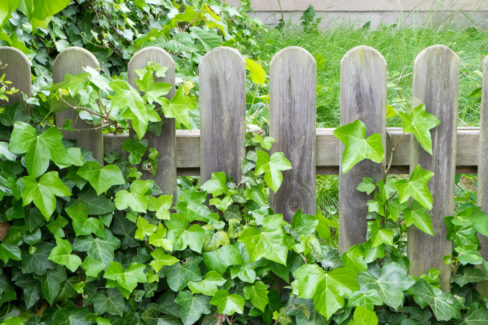
Fast-growing ivy is a dream come true if you’re looking for a quick privacy screen. And let’s be honest, where do we need privacy more than right along the property line? If you’re thinking about blocking out nosy neighbors with an evergreen ivy fence, it’s a great idea—but you definitely want to weigh the pros and cons before you start digging.
The Perks of an Ivy Fence
An ivy hedge has some pretty awesome advantages over other types of living fences:
- It fills in fast because ivy is a speedy grower.
- It’s incredibly long-lived (ivy can actually live up to 500 years!).
- The price for ivy plants is very budget-friendly.
- It stays thick and lush all year round since it’s evergreen.
- It’s a champion in the shade.
- It’s super low-maintenance once established.
Ivy is also a lifesaver for smaller backyards. Since it doesn’t grow thick, woody trunks like some bushes, you can keep your “fence” very slim and save on space.
The Downsides to Consider
As great as those pros sound, there are a few drawbacks you shouldn’t ignore. For some gardeners, these might even be dealbreakers:
- Ivy is aggressive and loves to spread where it’s not wanted.
- To keep it looking like a neat fence, you’ll need to prune it often (multiple times a year).
- If you ever change your mind, it’s a real pain to remove.
- It is highly toxic.
A quick heads-up:
The berries that appear once the plant reaches its adult stage are the most poisonous part. Eating just a few can be fatal. If you have little kids running around the yard, you might want to skip this plant entirely.
Setting Up Your Support Structure
Ivy isn’t a standalone shrub; it needs a solid trellis or support to climb. If you don’t already have a fence for it to take over, you’ll need to build one before you plant.
- Avoid materials that are too smooth or flimsy.
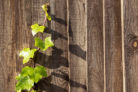
- Wood is an ideal choice.
- Go for darker materials—bright surfaces reflect too much light, which can actually make the ivy grow away from the support.
- Make sure the structure is sturdy; ivy gets surprisingly heavy as it matures.
Pro Tip:
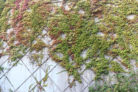
Even a basic chain-link fence can work! Just manually weave the first few vines through the mesh or drape them over the top. Eventually, the ivy will knit itself together into a solid wall.
Planting Your Ivy Fence
Spring and fall are the best times to plant. You can pick up young plants at any garden center or propagate your own from cuttings of an existing plant. Aim for a planting distance of about 14-18 inches; you’ll generally need 2 or 3 plants per linear yard. You only need to add compost if your soil is really poor. The most important thing is to loosen the soil deeply and make sure it drains well—ivy hates “wet feet.”
Caring for Your Ivy Fence
Right after planting, you’ll need to water your ivy regularly. Once it’s established, you really only need to water during dry spells in the winter on days when the ground isn’t frozen. Take it easy on the fertilizer—if you feed it too much, it’ll grow out of control! By the third year, plan on pruning your ivy hedge at least once a year to keep it looking sharp.