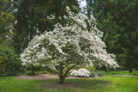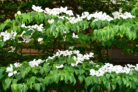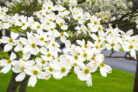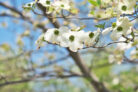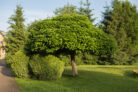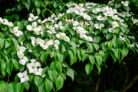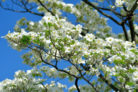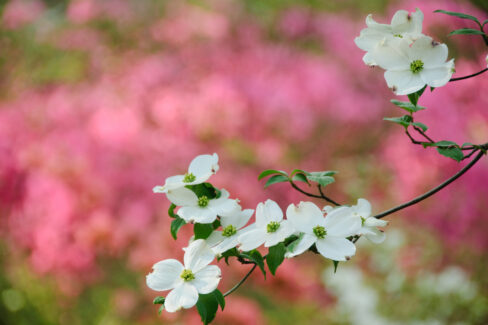
If you’ve been waiting for those stunning blooms on your Flowering Dogwood and coming up empty-handed, don’t worry—you aren’t alone! These shrubs are showstoppers, but they can be a little picky about their living conditions. If your plant is holding back on the flower power, it’s usually its way of telling you something is off. Here is the lowdown on why your Dogwood might not be blooming and how to fix it.
Is the location missing the mark?
If your Flowering Dogwood is looking a bit bare, the first place to look is right under your feet. These plants are big fans of nutrient-rich soil. If yours is lacking, try mixing in some organic humus or compost to give it a boost. One major dealbreaker? Lime. Dogwoods prefer slightly acidic soil, ideally with a nice mix of loam or sand. If the pH is off or if your Flowering Dogwood is dealing with a disease, it’ll likely skip the blooming phase to save energy.
Here’s your quick checklist for a happy plant:
- Plenty of sunlight
- Consistent, moderate watering
- Lime-free soil packed with nutrients
Sunlight is another biggie. If your Dogwood’s location is too dark, it won’t have the energy to produce flowers. Make sure it isn’t being crowded out by large trees, walls, or fences that cast too much shade. You also want to give it some breathing room—don’t plant multiple Dogwoods too close together, or they’ll end up competing for resources.
Is it a watering issue?
Flowering Dogwoods are a bit like Goldilocks when it comes to water: they don’t want to be bone-dry, but they absolutely hate “wet feet” (standing water). You’ll want to check the soil regularly; if it feels dry to the touch, give it a drink. Just be careful not to overdo it! Also, a quick pro-tip: you generally want to avoid pruning your Flowering Dogwood heavily, as this can stress the plant and cut off future flower buds.
If you’re worried about drainage, there are two easy fixes. First, you can add a drainage layer (like gravel or grit) deep in the soil to help water move away from the roots. Second, spread a nice layer of bark mulch over the surface. Mulch is a gardener’s best friend—it helps retain moisture and slowly releases nutrients back into the earth, keeping your Dogwood happy for the long haul.