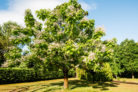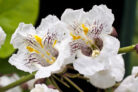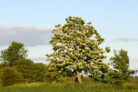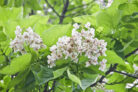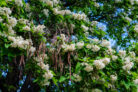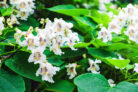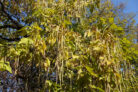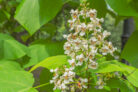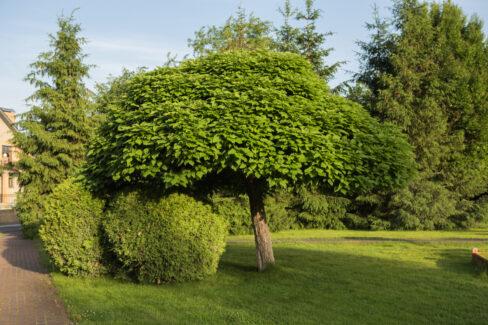
The Trumpet Tree (or Catalpa) is a total showstopper in any backyard, mostly thanks to its stunning explosion of flowers. But sometimes, these beauties just refuse to bloom, leaving us gardeners scratching our heads. If your tree is looking a bit bare, let’s dig into why that might be happening.
The Beautiful Blooms of the Trumpet Tree
Under normal conditions, the Trumpet Tree is a summer highlight, showing off a massive abundance of flowers. Their light, sweet scent is like a magnet for bees and other pollinators, which eventually leads to those iconic long seed pods we see later in the season.
Varieties That Just Don’t Bloom
Before you worry, it’s worth checking which variety you actually have. Not every Catalpa is meant to be a flower powerhouse. For example, the popular “Nana” (the Dwarf Globe Trumpet Tree) almost never produces flowers. Even with other varieties, you’ve got to be patient—it can take up to five years before a young tree feels ready to put on its first real show.
Common Reasons Your Tree Isn’t Flowering
If you’re sure you have a flowering variety and it’s old enough to bloom but still isn’t performing, it usually comes down to one of three things:
- Improper watering
- The wrong spot in the yard
- Going a little too heavy on the nitrogen fertilizer
Watering Your Trumpet Tree
If your tree is thirsty, the flower buds are usually the first things to suffer. Without enough hydration, the tree simply can’t push moisture all the way to the tips where the magic happens. Make sure you’re watering regularly, but don’t go overboard—nobody likes “wet feet” (standing water).
If you’re growing a Trumpet Tree in a large pot or container, drainage is key. Mix some expanded clay or sand into the soil to keep things moving.
Finding the Perfect Spot
Location is everything! Just like us, these trees have preferences. A location that is too shady or exposed to harsh, cold drafts can stress the tree out enough to skip the flowering phase entirely. Aim for a sunny, sheltered spot.
Fertilizing the Right Way
We all want our trees to grow fast, but be careful with fertilizing. High-nitrogen fertilizers are great for growth and lush green leaves, but too much of it tells the tree to focus all its energy on foliage and roots. When that happens, there’s just no “fuel” left for flower buds.
Instead of the chemical stuff, try sticking to organic options like well-aged compost. It provides a more balanced diet that keeps the tree happy and the flowers coming!