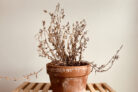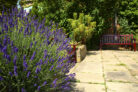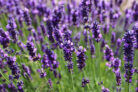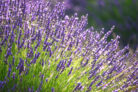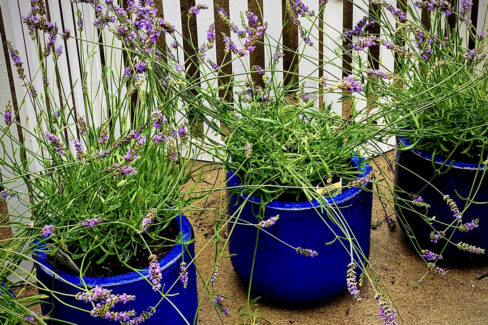
If your lavender is looking a little sad and droopy, it’s definitely trying to tell you something! Pinpointing the exact problem can be a bit of a guessing game at first, but don’t worry—I’ve got you covered. Here are a few tips to help you figure out what’s bothering your lavender and how to get it back to its perky, fragrant self.
Is the location the problem?
Lavender is actually pretty picky about its living conditions. Unlike a lot of other garden favorites, this plant actually thrives in “poor” soil that isn’t packed with nutrients. If your soil is too rich or if you’ve been a little heavy-handed with the fertilizer, that might be why it’s wilting. Generally, if your lavender is planted in the ground, one light feeding a year is plenty—and honestly, most of the time, you don’t need to fertilize it at all.
Here is the kind of soil lavender loves:
- Well-draining, dry soil
- Sandy or gritty textures
- Calcareous (lime-rich) spots
- Alkaline rather than acidic pH
Sunlight is the other big factor. Lavender is a total sun-worshipper! If it’s stuck in the shade or even partial shade, it’ll start drooping and eventually give up the ghost. Take a look around—are there taller plants nearby casting a shadow over it? If so, you might need to move your lavender to a sunnier spot or give the neighboring plants a trim so your lavender can soak up those rays.
Are you overwatering or underwatering?
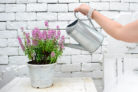
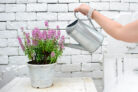
Getting the water balance just right is key. You’ll definitely want to water your lavender during long heatwaves, and young or newly planted lavender needs consistent moisture to get established. However, the biggest mistake you can make is overwatering.
Lavender absolutely hates “wet feet” (standing water). Its long roots just aren’t built to sit in soggy soil. If the water pools and can’t drain away, the roots can actually start to rot. When that happens, the plant can’t take up nutrients anymore, which leads to that classic drooping look—ironically, it looks a lot like the plant is thirsty, even though it’s drowning!