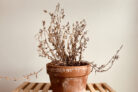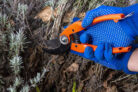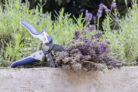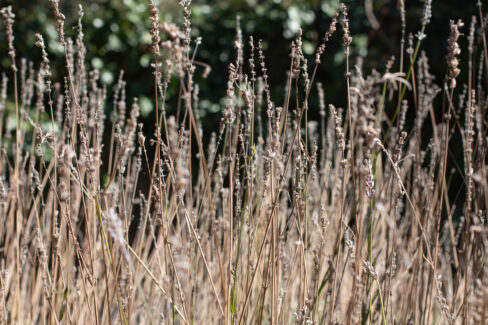
Don’t give up on your lavender just yet! If your plant is looking a bit crispy, you can often nurse it back to health if you act fast. There are a few different reasons why lavender starts to dry out, and once you pinpoint the culprit, you can get those purple blooms back in action. Here’s how to save your lavender.
Is it actually thirsty?
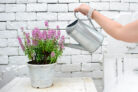
If your lavender looks parched, your first instinct might be to grab the watering can. However, since these plants actually love rocky, dry soil, they rarely die from thirst in most gardens. Before you douse it, double-check the environment.
Lavender thrives in:
- Dry, well-draining soil
- Nutrient-poor earth (don’t over-fertilize!)
- Plenty of direct sunlight and heat
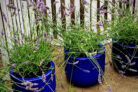
Keep a close eye on your plant and dig down an inch or two into the soil to see what’s going on underground. If the stems and leaves have been drooping for a while and the soil is bone-dry, it’s time to water your lavender. This is especially common with potted lavender; since the roots are confined to a container, they can’t grow those long taproots that reach deep into the ground for moisture.
The “Wet Feet” Paradox
It sounds crazy, but too much water can actually make your lavender look like it’s drying out. If the soil doesn’t drain well and the roots are sitting in water (aka “wet feet”), they start to rot. Once the roots are damaged, they can’t send water or nutrients up to the rest of the plant.
The result? A plant that looks wilted and dried out, even though the soil is soaked. If this is happening, you need to move your plant to a better location or mix some gravel or sand into the soil to create a drainage layer. This helps the water flow away from the roots, mimicking the Mediterranean conditions lavender loves.