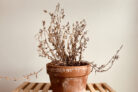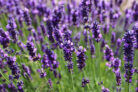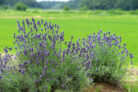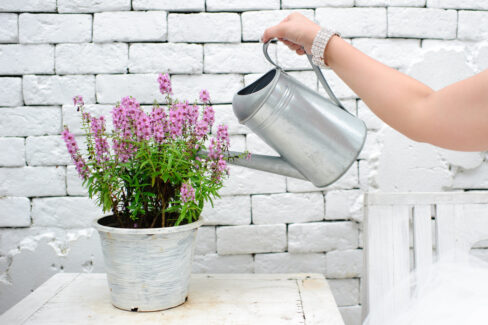
Lavender can be a bit of a diva. It’s a sensitive plant, and if the conditions aren’t just right, it can start to decline pretty quickly. If you notice your lavender looking a little worse for wear, it’s time to jump into action! Here’s what you need to look out for and how you can save your plant.
Is the location the problem?
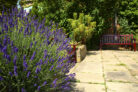
If your lavender is struggling, the first thing to check is its home. Lavender is a total sun-worshipper—plenty of direct sunlight is absolutely vital for it to thrive. If it’s stuck in the shade or even partial shade, it can go downhill fast. Take a look around: have neighboring plants grown tall enough to block the sun? If so, give those neighbors a trim or consider transplanting your lavender to a sunnier spot.
Another common culprit is soggy soil. Lavender actually loves dry, somewhat “poor” soil. If you water your lavender and the soil doesn’t drain well, you’ll end up with standing water. This is a recipe for disaster because it leads to root rot, and once the roots start rotting, you’ve got a real problem on your hands.
Avoid these common care mistakes
Believe it or not, you can actually kill your lavender with kindness—specifically by over-fertilizing. If your lavender is planted in the ground, it often doesn’t need any fertilizer at all. A single feeding at the start of the growing season in spring is fine, but leave it at that. If you’re growing lavender in pots, you can get away with one more light feeding during the summer.
Good options for fertilizing lavender include:
- Compost
- Horn shavings or horn meal
- Low-nitrogen fertilizers
If your plant has stopped blooming and looks like it’s fading away, check your nitrogen levels. Too much nitrogen is a major bloom-killer. Take a look at the label on your fertilizer and avoid anything with high nitrogen content. Finally, remember that lavender prefers alkaline soil over acidic soil—keeping the pH right will go a long way in keeping your plant happy!