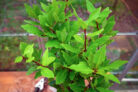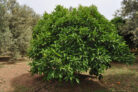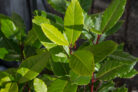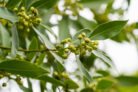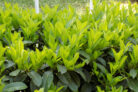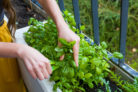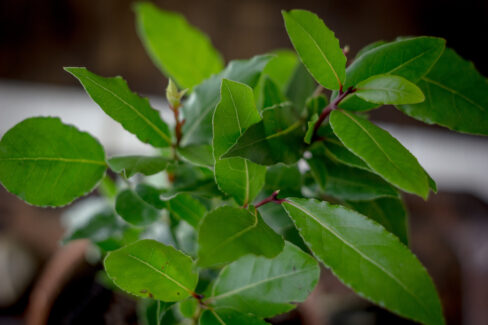
Bay laurel isn’t just for sprawling gardens! These beautiful evergreen shrubs actually do fantastic in containers, making them a perfect addition to your balcony. If you’re looking to add some lush greenery to your outdoor space, here’s everything you need to know about keeping your potted laurel happy and healthy.
Pick the Right Soil Mix
Bay laurel loves a soil that is slightly loamy or sandy. To keep the plant thriving, the soil needs to be loose and rich in organic matter (humus). When you’re potting your laurel for the balcony, keep these preferences in mind. You can create a custom mix by blending standard potting soil with a bit of extra humus or sand. The key is to make sure the soil stays airy and doesn’t get packed down too tightly.
Consistency is key when it comes to watering. You want to avoid “wet feet” (standing water), but you also don’t want the soil to bone dry. Both extremes can stress the plant, causing the roots to struggle and leading to those dreaded brown leaves. Give your plant a good drink regularly, ideally using soft water like filtered water or collected rainwater. During the heat of the summer, make sure to give your laurel a deep soak at least once a week.
Find a Sunny Spot
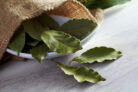
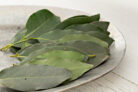
While bay laurel can handle a bit of partial shade, it really shines when it’s soaking up the sun. Place your potted laurel in a spot on your balcony that gets several hours of direct sunlight every day. One of the best parts about growing laurel in a container is that you can prune it into beautiful shapes, like a classic topiary. Not only does it look great, but it also makes it super easy to harvest bay leaves. You can dry them out and use them as a staple spice in your kitchen—there’s nothing like the flavor of home-grown herbs!
Only harvest leaves from “True Laurel” (Laurus nobilis)
- True Bay Laurel is safe and delicious for cooking.
- Warning: Cherry Laurel (Prunus laurocerasus) leaves are toxic!
- Always dry the leaves before using them as a spice for the best flavor.