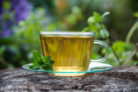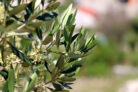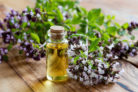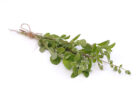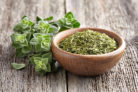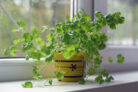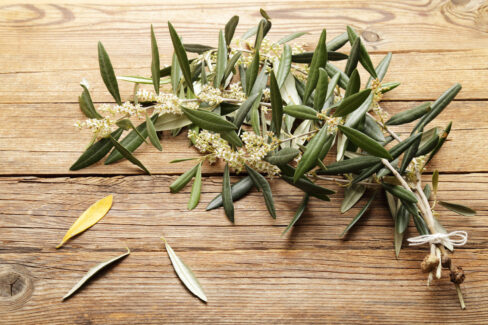
Olives and their oil have been staples of Mediterranean cooking for thousands of years. So, it’s no surprise that Green Cotton Lavender is a favorite in the kitchen, too—its flavor is a dead ringer for pickled olives! That’s exactly why most gardeners and foodies just call it Olive Herb.
Growing It in Your Garden
Since it’s native to the rocky, lean soils of Southern Europe, Olive Herb is a dream for low-maintenance gardeners. It doesn’t need fancy fertilizers or a ton of water. Much like rosemary or lavender, it’s perfectly happy living in a pot on your balcony. The main thing to remember? It craves sunshine and warmth. As long as it gets enough light, this plant is about as easy-going as it gets.
Harvesting and Drying
If you want that punchy olive flavor, fresh is definitely best. Just a heads-up: the aromatic oils in the herb don’t handle high heat very well, so wait until the very end of your cooking process to toss it in.
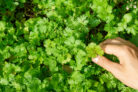
Before the stems start to lose their luster in the fall, you’ll want to harvest them. For young plants, just pluck the outer tips to keep them healthy. If you have an older, established plant, feel free to give it a more vigorous haircut. Here’s how to harvest and dry your stash:
- Pick out fresh, green stems that haven’t turned woody or show any damage.
- Give them a quick rinse and pat them dry.
- Tie the stems into small bundles and hang them upside down in a warm, dark spot.
- After a few days, strip the dried leaves from the stems and store them in an airtight container.
Using the Oven or Dehydrator
If you’re not the patient type, you can speed things up using your oven. Set it to a low heat—about 100°F (40°C). Spread the sprigs out on a baking sheet and pop them in. Pro tip: Prop the oven door open slightly with a wooden spoon so the moisture can escape. Even better, if you have a food dehydrator, just use the “herb” setting and let it do the work for you!