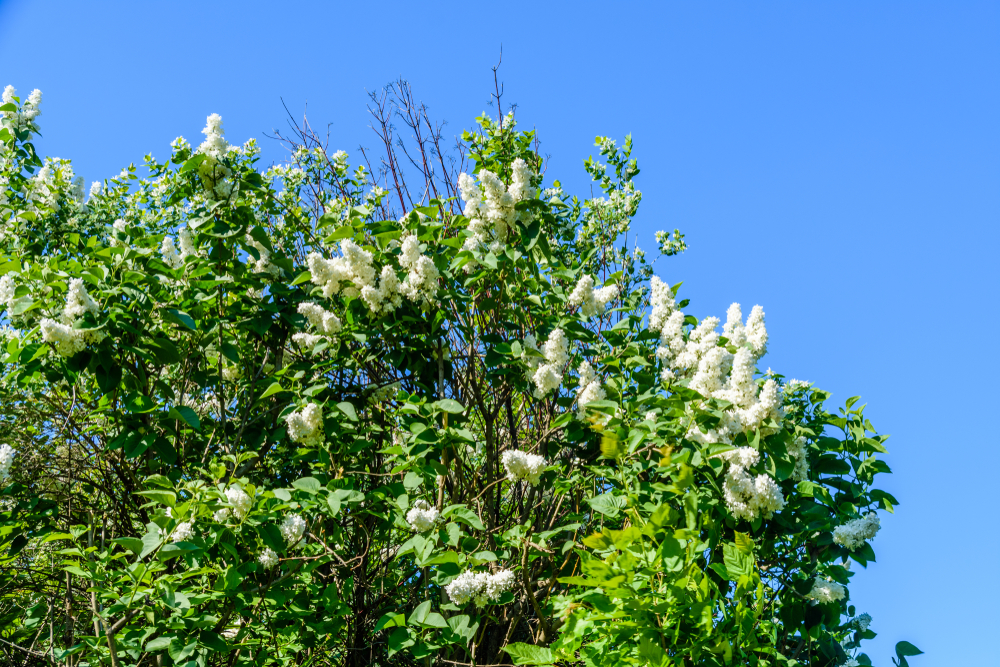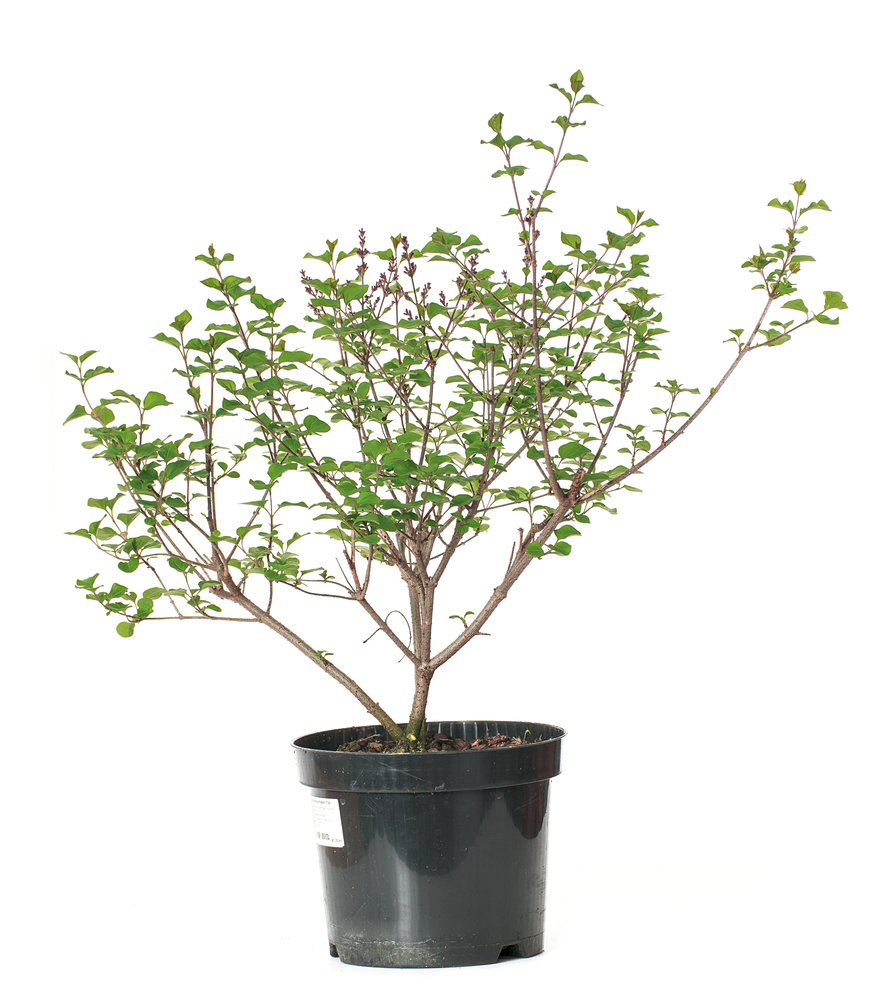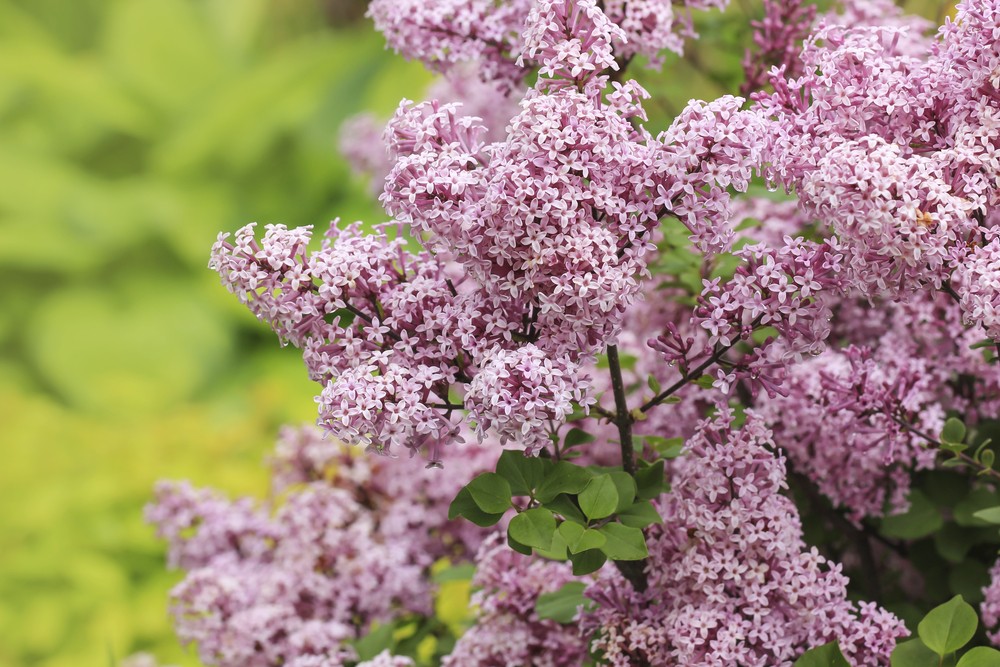
In its natural state, the dwarf lilac is a bushy, shrub-like grower. But just like its bigger cousins, it’s actually pretty easy to train a dwarf lilac into a “standard”—which is just a fancy gardening term for a small tree form.
What Exactly is a Dwarf Lilac?
A dwarf lilac isn’t just a stunted plant; it refers to specific lilac varieties that stay naturally compact. Some of the most popular ones you’ll find at the nursery include:
- Syringa meyeri: Look for “Palibin,” “Red Pixie,” or “Josee.”
- Syringa microphylla: The “Superba” variety is a real winner.
If you want that classic lilac look in a smaller package, Syringa meyeri is your best bet. However, if you’re looking for a marathon bloomer, Syringa microphylla “Superba” is fantastic because it often puts on a second show in the summer, with blooms lasting well into the fall.
Size-wise, these little guys usually top out between 3 and 5 feet. Compare that to a common lilac, which can tower up to 20 feet, and you can see why they’re so popular! Because they stay small, they are absolutely perfect for growing in containers.
Why Grow a Dwarf Lilac as a Tree?
Training a dwarf lilac into a standard means taking a plant that naturally wants to be a multi-stemmed bush and encouraging it to grow with one single main trunk and a lush, rounded canopy. Why go through the trouble? Here are a few reasons:
1. It looks amazing (many gardeners find the “lollipop” tree shape more elegant than a wild shrub).
2. It saves a ton of space in small gardens.
3. It’s much easier to manage in a pot or planter.
Of course, you don’t have to keep it in a pot. These little trees look stunning planted in the ground in a front yard, as a focal point in a flower bed, or lining a walkway.
Caring for Your Dwarf Lilac Tree
If you’re planting your dwarf lilac directly in the garden, you can follow the same general rules for planting and care as you would for a standard lilac. You can find more details on that here: Lilac Standards.
If your little tree is living in a container, remember that it’s relying entirely on you for “room service.” You’ll need to be diligent about watering and fertilizing since it can’t reach into the ground for nutrients. You’ll also want to give it a light trim every now and then to keep that round shape and plan on repotting it about every two years.
To keep it looking its best, make sure to thin out the canopy occasionally and keep an eye out for root suckers—those little shoots that pop up from the base—and snip them off immediately. If you’re feeling adventurous, you can even grow your own standard from a single cutting, or if you’re impatient, you can try grafting one onto a sturdy rootstock!