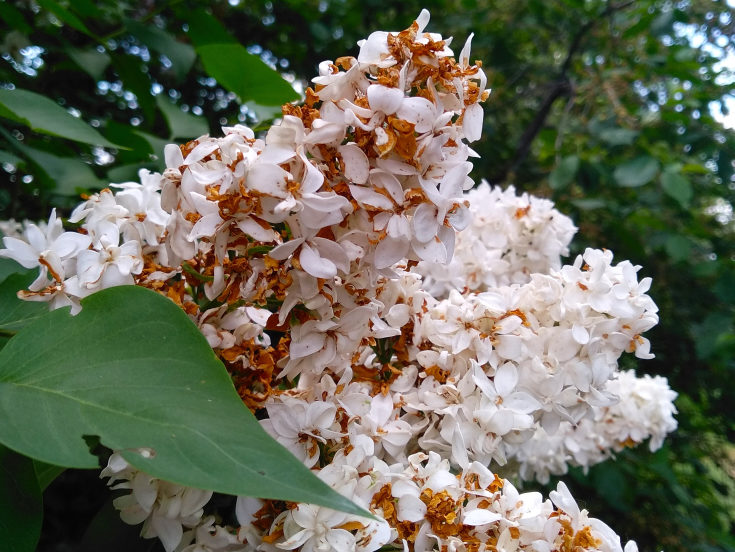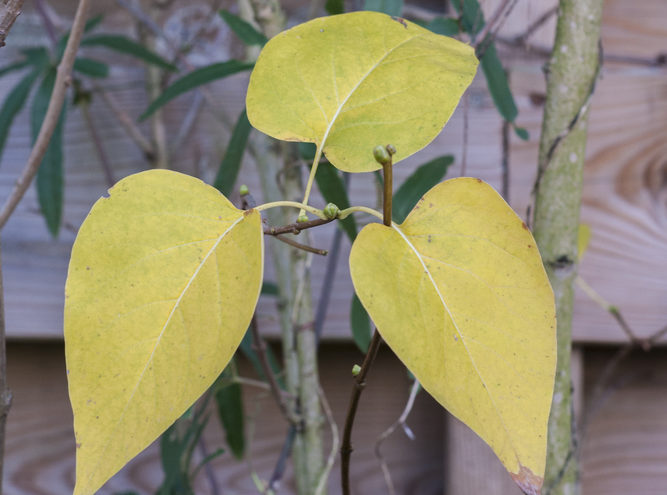
Let’s be honest—there’s nothing quite like the charm of a massive, bushy lilac in full bloom. But let’s also be real: not every backyard has the square footage to handle a giant shrub. If you’re working with a smaller space, don’t worry! You don’t have to give up on those heavenly scents. You can actually keep a lilac perfectly petite without a ton of extra work.
Compact Varieties and Container Gardening for Small Spaces
One of the easiest ways to manage size is to go with a dwarf variety or try growing your lilac in a container. If you pick a pot that’s roomy but not oversized, it acts as a natural root barrier, which helps keep the plant’s overall growth in check.
Just a heads-up: you’ll still want to repot your lilac about every three years to refresh the soil and keep it happy. Even dwarf varieties, which stay small by nature, need a little haircut now and then to stay in shape. The best time to prune is right after the flowers fade. Here are a few great dwarf lilacs that are perfect for cozy gardens:
- Syringa microphylla “Superba”: Features white flowers with pink speckles. It peaks in May but often treats you to a second flush of blooms later on.
- Syringa meyeri “Red Pixie”: This one shows off pink to magenta blooms and has a seriously long flowering season, lasting from late spring all the way into mid-autumn.
- Syringa microphylla “Josèe”: Known for its slender pink flower clusters and incredible winter hardiness.
- Syringa meyeri “Palibin”: A classic choice with soft pink blooms that usually show up starting in late May.
Tips for Keeping Larger Lilacs Small
If you’ve fallen in love with one of the standard or larger lilac varieties, you can still keep it under control. When you first plant it, consider installing a root or rhizome barrier. This doesn’t just stop the plant from shooting upward too fast; it also keeps those aggressive roots from taking over your entire garden bed—a huge plus if space is tight!
Another great strategy (that you can start even if your lilac is already in the ground) is regular pruning. To make sure your “mini” lilac still puts on a show every year, timing is everything. You should always prune immediately after the flowers have wilted. This allows you to shape the shrub and deadhead the old blooms at the same time.
Keep in mind that lilacs actually set their buds for the following year shortly after they finish blooming. If you wait too long to prune, you’ll accidentally snip off next year’s flowers, leaving you with a green bush but no color come spring!