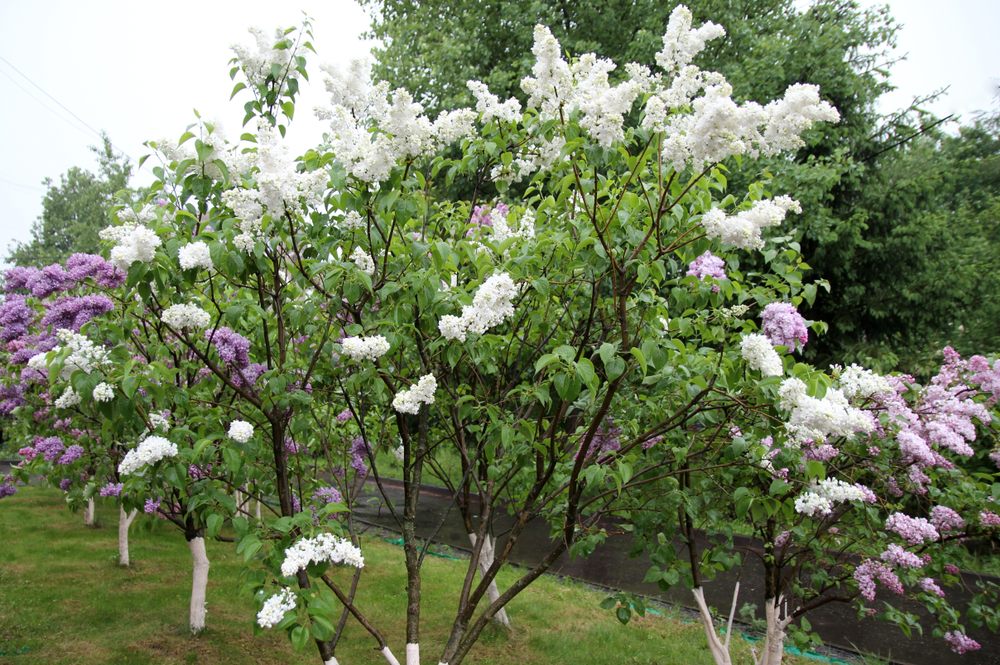
Naturally, lilacs love to grow as multi-stemmed shrubs. As they get older, they get woodier and start looking more like a tree with a distinct canopy. But here’s a pro tip: you don’t have to wait years for nature to take its course. You can actually “train” your lilac to grow as a “standard”—which is just a fancy gardening term for a single-stemmed tree.
A Lilac Tree: The Ultimate Garden Showstopper
Lilacs are famous for sending out root suckers, which is how they naturally create that bushy, multi-stemmed look. If you want to cultivate a lilac tree, you’ll need to keep an eye on those runners. A lilac standard can reach heights of 15 to 20 feet, and honestly, nothing looks more stunning than one of these beauties standing solo as a focal point on a lush green lawn.
Training a lilac into a tree shape basically means you’re choosing one main leader (the trunk) and encouraging a canopy to form at the top. This technique works for plenty of other shrubs, too! To get that look, you’ll need to be diligent about pruning your lilac standard. This involves clearing away any “distraction” shoots so all the plant’s energy goes into that single trunk and its crown.
Maintenance and Design Ideas for Your Lilac Tree
A lilac tree is a total game-changer for small gardens or tight flower beds. Unlike their bushy cousins, standards take up way less horizontal real estate. The trade-off? They’re a bit more high-maintenance. While a lilac shrub is pretty much “set it and forget it” (maybe one quick prune a year), a tree form needs regular attention to keep its shape.
While they look amazing centered in a lawn, there are plenty of other ways to show off a lilac standard:
- As a potted lilac on the patio
- In a small garden bed
- To add curb appeal in the front yard
- Along a border
- Planted in a small grove
- Mixed in with lower-growing perennials
When it comes to basic care, a lilac tree isn’t much different than a shrub. They aren’t thirsty plants; you really only need to water them while they’re blooming or during a long dry spell. Just be careful not to overwater! Lilacs hate “wet feet,” and standing water can lead to root rot, which is a death sentence for these plants.
Location and Pruning Essentials
In terms of where to plant, the rules remain the same: your lilac wants a sunny spot with loose, sandy soil. They can tolerate a bit of partial shade, but make sure it’s still a bright location if you want those iconic blooms.
The one big difference is the pruning schedule. You’ll need to stay on top of cutting back side shoots and root suckers. If you let those go, your elegant tree will quickly try to revert back into a wild, bushy shrub. Keep those shears handy, and you’ll have a gorgeous garden centerpiece for years to grow!