Japanese Knotweed is famous for being an incredibly fast grower that spreads like wildfire. In many backyards across the country, this perennial has become a real headache for gardeners. But here’s a little secret: Knotweed has a hidden talent! Most people don’t realize that parts of the plant are actually edible. You can cook up the young stems and leaves just like your favorite garden veggies.
– Toxic or Tasty?
As an invasive species, Japanese Knotweed definitely causes trouble for local ecosystems around the globe. However, it’s not actually dangerous to us. The plant isn’t toxic, and you can transform many of its parts into delicious dishes.
In traditional Japanese herbal medicine, the root has been used for ages. It’s often brewed into a tincture believed to help support healthy blood pressure and lower cholesterol levels.
Despite the rumors you might have heard, Japanese Knotweed is completely non-toxic. The young shoots and leaves are perfectly safe to eat and have a surprisingly juicy texture.
Here’s how you can prepare Japanese Knotweed:
- Like all varieties in the buckwheat family, Japanese Knotweed contains oxalic acid. This gives it a slightly tart, tangy flavor. Just a heads-up: Oxalic acid can cause stomach upset in children, sensitive individuals, or if you eat it in very large quantities.
- You can use the leaves, shoots, and roots in your kitchen.
- Young shoots make a fantastic addition to fresh salads or can be served as a flavorful side dish.
- If you cook the leaves, they turn into a delicious green vegetable.
- The roots can be peeled and simmered in hot salted water. Believe it or not, they taste a lot like asparagus!
One important tip: Be super careful when disposing of any uncooked scraps. Put them straight into your household trash, not the compost pile. Even a tiny piece of the root (rhizome) can start a brand-new, uncontrolled infestation in your garden.
How to Identify Japanese Knotweed
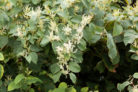
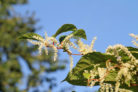
Before you start harvesting, you need to be 100% sure you’ve found the right plant. Look for the signature pure white flower clusters that bloom in panicles from August through October.
The leaves are another dead giveaway. Here’s what to look for:
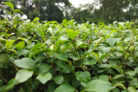
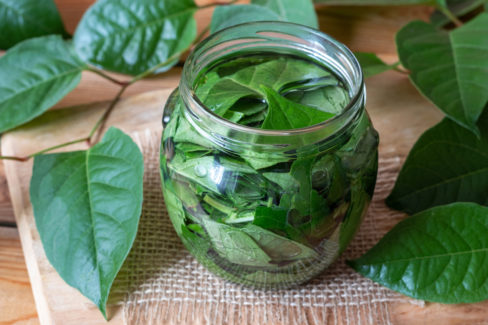
- The foliage is leathery and green, usually measuring about 5 to 7 inches long.
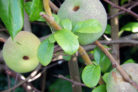
- The leaves are egg-shaped with a pointed tip and are roughly 3 to 5 inches wide.
- The stems are hollow and arranged in an alternating pattern. They can tower up to 10 feet high!
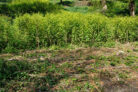
After the first frost, the parts of the plant above ground will die back. However, those tough rhizomes survive the winter underground just fine and will sprout again next year. They grow into massive clumps very quickly, so if you spot them in your yard, you’ll want to remove them and start controlling the spread immediately.