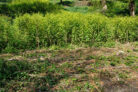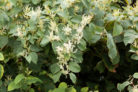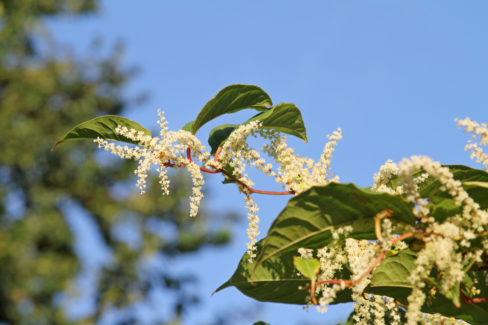
Japanese Knotweed is a fast-growing powerhouse that’s causing headaches for gardeners and ecosystems all over the globe. Here in the States, this invasive species has become a real nightmare for homeowners. If you’ve spotted this stubborn perennial on your property, don’t panic—but do act fast. Here’s my guide on how to reclaim your yard and get rid of Japanese Knotweed for good.
How to Fight Back Against Japanese Knotweed
If you’ve identified Japanese Knotweed in your garden, you need to jump into action and remove it immediately. This plant doesn’t do anything halfway; it spreads incredibly fast and can take over your entire landscape before you know it.
The roots of the (actually edible!) Japanese Knotweed can tunnel up to ten feet deep into the soil. Even worse, they have a complex system of rhizomes. These underground stems are like survival kits—even a tiny fragment left behind can sprout a brand-new plant.
Here’s what you absolutely need to keep in mind when tackling this beast:
- Dispose of every single scrap of the plant immediately. Whatever you do, do not put it in your compost pile! Toss it in your regular trash bin (the “black bin”) so it ends up in a landfill where it can’t spread.
- Be careful with your dirt. If you’ve dug up an area with knotweed, that soil likely contains root fragments. Don’t reuse it in other parts of your garden.
- If you catch it early, manual labor works wonders. For small patches (about 10 to 40 square feet), you can dig the plant out. Be meticulous—don’t leave a single root behind. I recommend going over the area several times with a pickaxe to make sure you’ve cleared the ground.
- If the knotweed has already claimed a larger territory (40 to 200 square feet), digging alone won’t cut it. To starve the plant out, you’ll need to mow it down to the ground every three weeks from April through November. Fair warning: this is a game of patience. It can take up to five years of consistent mowing to fully kill off the root system.
Using Herbicides
I always suggest being cautious with chemicals in your home garden. They can have a pretty rough impact on the environment and our local wildlife. If you decide to go this route, definitely chat with an expert at your local garden center first.
Pro tips for application:
- From June to September, you can try targeted injections. This works best if you cut the hollow stems and inject the herbicide directly inside.
- Alternatively, you can use a brush to carefully “paint” the herbicide onto the shoots and rhizomes.
Usually, these methods can wipe out about 90% of the patch in the first year. Just don’t let your guard down! You’ll need to follow up the next season and keep a close eye on the area. This plant is a survivor and loves to make a comeback.