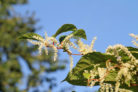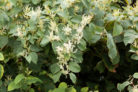
Back in the late 19th century, Japanese Knotweed was introduced to our neck of the woods with the best of intentions. It was originally brought over as a hearty food source for local wildlife, but unfortunately, the animals weren’t exactly fans of the flavor. Instead of being a helpful snack, this fast-growing perennial turned into a total nightmare for gardeners. If you’re struggling with this stubborn invader, don’t worry—I’ve got some tips on how to reclaim your yard.
Mechanical Methods
Timing is everything! You’ll want to tackle Japanese Knotweed well before it starts to bloom to stop it from spreading even further. While this perennial is actually edible, it’s a deep-rooted survivor. It grows back every year from underground rhizomes, and even the tiniest fragment of a root left behind can sprout a brand-new plant. To get rid of it for good, you have to be incredibly thorough with your disposal.
If you want to be 100% sure it’s gone, here’s the “nuclear option”:
- Cut the knotweed down as close to the ground as possible.
- Burn the plant remains (check your local ordinances first!).
- Dig out the entire area to a depth of about ten feet.
- Completely remove and dispose of all the excavated soil.
- Line the bottom of the pit with heavy-duty landscape fabric or liner before filling it back in with fresh, clean soil.
Mowing or Grazing
If digging a ten-foot hole sounds like a bit much, you could always recruit some four-legged helpers. Sheep can actually be trained to eat Japanese Knotweed over time. Of course, this doesn’t kill the roots immediately, but if the plant is constantly eaten back and prevented from growing new leaves, the rhizomes will eventually starve and die off after a few years.
Not ready to become a sheep farmer? You can get similar results by mowing the area every 2 to 3 weeks. Just a heads-up: give your lawnmower a serious cleaning afterward so you don’t accidentally spread root fragments to the rest of your lawn!
The Tarp Method
Another strategy that takes some patience but really works is covering the patch with heavy black plastic or a tarp. By blocking out all the sunlight, you’re essentially starving the plant. It takes time, but without photosynthesis, the knotweed can’t survive.
Digging it Out
If you’re lucky enough to have caught the problem early and only see a few stray shoots, you can try pulling them or digging them out by hand. Just make sure you get every last bit of the root!
Extra Tips
You might hear about pros using broad-spectrum herbicides to fight Japanese Knotweed by injecting them directly into the rootstock. Keep in mind, though, that these heavy-duty chemicals usually aren’t approved for residential use and often require a special permit or a professional license to apply. Stick to the manual methods if you can!