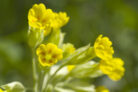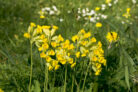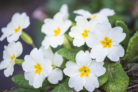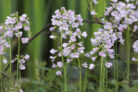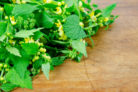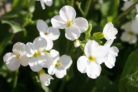
This eye-catching early bloomer isn’t toxic at all—in fact, it’s actually classified as a medicinal plant and can be a fun addition to your kitchen! That said, you still want to use a little common sense when eating or using it, as some of its natural compounds can cause an upset stomach if you overdo it.
The Cowslip is Non-Toxic
Folks have been using cowslips as a natural remedy for centuries. They were well-known for being anti-inflammatory, antispasmodic, and great for clearing out congestion, not to mention their calming effects. Back in the day, the roots, leaves, and flowers were used to treat all sorts of things, including:
- Colds and the flu
- Bronchitis and coughs
- Sore throats and runny noses
- Migraines
- Nerve pain
- Anxiety and insomnia
- Bruises
- Gout
- Swelling (edema)
- Toothaches and gum inflammation
Modern science has actually backed up many of these healing properties. Today, you’ll mostly find cowslip used in teas, syrups, or tinctures (which work great topically for bruises or gout). However, keep in mind that the plant contains saponins. For some people with sensitive stomachs, eating large amounts can lead to nausea or discomfort. If you’re pregnant or breastfeeding, it’s best to skip this one just to be safe.
Is Cowslip Edible?
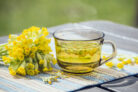
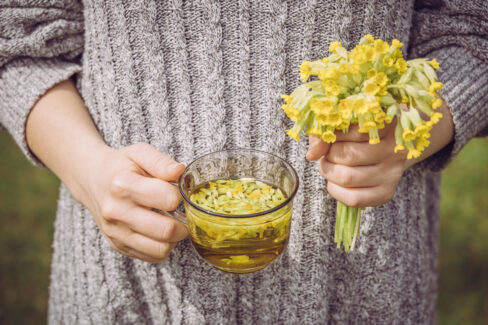
Yes! You can eat the leaves and flowers in moderation. The best time to harvest them is between March and June. The leaves are great raw in salads, and both the leaves and flowers make a beautiful garnish for soups, desserts, or party platters. The blossoms also make a lovely, slightly sweet herbal tea—either on their own or mixed with other herbs.
If you have cowslips growing in your own backyard, feel free to harvest them! However, if you spot them out in the wild, leave them be. In many areas, the cowslip is a protected species, meaning it’s illegal to pick or dig them up. Plus, wild plants near farmland are often contaminated with pesticides, which is definitely not something you want in your tea.
When harvesting from your garden, pick a sunny day and wait until the late morning once the dew has dried. Use a pair of scissors to gently snip the leaves and flowers. Pro tip: don’t wash them! Just give them a good shake to get rid of any tiny hitchhikers, and wipe off any dirt with a damp cloth before using them.