If you’re looking to add a pop of color and some fresh flavors to your dinner plate, edible flowers are a total game-changer. But before you start snacking on your garden, remember that Mother Nature creates both tasty treats and toxic lookalikes. So, where do primroses fall on that spectrum? Let’s dig into the details.
Know Your Primrose Varieties
Are you a primrose pro? If not, you’ll want to brush up on your plant ID skills before you try tasting those colorful blooms. The primrose family is a bit of a mixed bag when it comes to what’s inside the plant. Some species are perfectly safe to toss into a salad, while others are definitely not on the menu. Being able to tell the difference is key to staying safe in the garden.
The Poison Primrose: Stay Away from the German Primrose
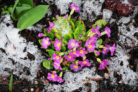
Originally from China, the German Primrose (or Poison Primrose) is famous for its abundant flowers, which is why you’ll see it everywhere. It’s a super common houseplant, but even if it’s sitting right there on your kitchen windowsill, keep it far away from your cooking pot. This variety contains primin, a toxic allergen that can cause nasty skin reactions—hence its nicknames “Giftprimel” (poison primrose) and “itchy primrose.”
While modern breeders are working to reduce the primin levels in newer varieties, it’s better to be safe than sorry. Avoid touching this one with bare hands, and definitely don’t eat it.
Quick Tip:
This plant is also a hazard for pets, especially curious indoor cats. If you have furry friends, your best bet is to swap this variety out for a non-toxic alternative.
Safe to Snack: Cowslips and Common Primroses
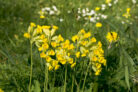
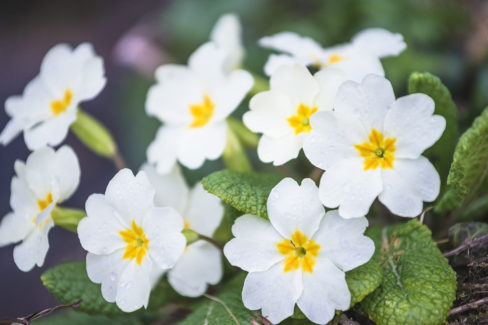
Good news! Both Cowslips and Common Primroses (Kissenprimeln) are staples in many home gardens and are totally edible. You can use the whole plant: flowers, leaves, and even the roots. They have a lovely, mild flavor and can be used fresh or dried. Here are a few ways to use them:
- Toss leaves into salads or soups.
- Use fresh flowers to brighten up fruit salads and desserts.
- Make candied flowers for a stunning cake decoration.
- Dry the plant parts for a soothing herbal tea.
Pro Tip:
If you’re planning on eating your primroses, it’s best to grow and propagate these perennials yourself. Store-bought plants are often treated with pesticides or fertilizers that aren’t food-safe.
Primroses as a Natural Remedy
Beyond the kitchen, primroses have a long history as medicinal plants. They contain saponins (mostly in the roots and calyx), which are great for helping with cold symptoms. Most people brew them into a tea or whip up a homemade syrup to help soothe a cough.